

Coworking
-

- Coworking
- Technology
Nexudus AI Agents: The Different Types and What They Do
Emily Nguyen on October 12, 2026 -

- Coworking
- Coworking Resources
Practical AI Lessons for Coworking Operators from GWA Denver 2026
Damian on October 1, 2026 -

- Coworking
- Coworking News
- Technology
AI didn’t add a feature to coworking software. It’s rewriting what the product is.
Jane Robathan on September 30, 2026 -

- Coworking
Advanced Coworking Analytics: When Standard Reports Fall Short
Emily Nguyen on September 15, 2026 -

- Coworking
- Coworking Resources
There’s No Excuse Not to Catch Retention Risk Early
Jane Robathan on September 3, 2026 -
- Coworking
- Coworking Resources
What To Include In Your Monthly Coworking Report
Emily Nguyen on September 3, 2026 -

- Coworking
- Coworking Resources
Coworking Software Implementation: What to Expect When You Choose Nexudus
Shraboni Chowdhury on August 25, 2026 -

- Coworking
Too Many Spreadsheets? 7 Signs Your Coworking Business Has Outgrown Them
Jane Robathan on August 25, 2026 -

- Coworking
- Coworking Resources
Just Been Promoted? Here’s the Coworking Performance Report Leadership Needs
Jane Robathan on August 18, 2026



TL;DR
Coworking spaces rarely rely on one type of payment. You might collect recurring membership fees by Direct Debit, take card payments for invoices and bookings, and accept in-person payments for products and services. Nexudus connects these payments with the customer, invoice and wider account, helping operators automate collection and keep financial records up to date.
Getting paid is a fairly fundamental part of running a coworking space. But the way you take payments can become surprisingly complicated.
A monthly membership is different from a one-off meeting room booking. A member paying an invoice online has different needs from someone buying a coffee or day pass at reception. And if you operate in different countries, the payment methods your customers expect may change again.
Your coworking software needs to accommodate those differences without creating a separate admin process for every way someone pays.
Nexudus supports card payments, ACH and Direct Debit alongside integrations with payment providers including Stripe, GoCardless and PayPal. For in-person transactions, operators can also connect tools such as Square Point of Sale.
Start with how your members need to pay
Before choosing a payment provider, look at the different transactions happening in your workspace.
You might need to collect:
- Monthly membership fees
- Private office charges
- Meeting room and desk bookings
- Event tickets
- Day passes
- Additional products or services
- Deposits
- Ad-hoc purchases at reception
Not every payment method is equally suited to every transaction.
Card payments are processed quickly, which makes them useful when someone needs to complete a purchase or pay an invoice there and then. Direct Debit works differently: once the mandate is set up, payments can be collected automatically when invoices are issued, but they generally take longer to process.
For many operators, the right answer is therefore a combination rather than a single payment method.

Use card payments for quick, flexible transactions
Card payments make sense when speed matters.
Someone booking a meeting room online, buying a day pass or settling an outstanding invoice may want to pay immediately rather than wait for a bank payment to clear.
Stripe is one option Nexudus operators can use for card and bank-based payments. Depending on the Stripe setup and region, members can use different supported payment methods to pay invoices and other charges.
The important part for an operator isn’t simply that Stripe takes the payment. It’s that the payment sits within the wider member journey.
For example, Nexudus checkout can connect a purchase with the relevant customer, booking or product rather than leaving your team to piece the transaction together afterwards.
That becomes particularly useful if you’re selling directly through your website or Members Portal.
Use Direct Debit for predictable recurring payments
Recurring memberships are a different problem.
If the same customer needs to pay you every month, repeatedly asking them to log in and make a card payment creates work for both sides.
GoCardless connects Direct Debit payments with Nexudus. Once a member has provided valid payment details and the mandate is in place, payments can be collected against invoices automatically. When payment is successfully received, the invoice can be marked as paid in Nexudus.
Direct Debit is slower than card payment, so operators need to account for that when setting payment and access rules. Nexudus documentation notes that Direct Debit payments generally take several working days to process, particularly when a mandate is being used for the first time.
That doesn’t make one option better than the other.
It means the way you collect a recurring private office membership may reasonably be different from the way you take payment for a meeting room someone wants to use this afternoon.
Give customers different ways to pay online
You may also want to give customers a choice.
Alongside Stripe and GoCardless, Nexudus supports payment options including PayPal, Authorize.net and Spreedly, which can connect Nexudus with a wider range of payment providers.
PayPal, for example, can let members pay invoices using PayPal or, depending on the setup, a credit or debit card. Successful transactions can then update the relevant invoice in Nexudus.
The exact payment setup you choose will depend on where you operate, which currencies and payment methods you need, and how your customers prefer to pay.
It is also worth checking the whole journey rather than just asking which gateways a platform supports.
Can someone pay when they make a booking? Do they need an account first? Can payment details be stored for recurring charges? What happens when a payment fails? Can you refund it? And how does the transaction appear against the customer’s account afterwards?
These questions tend to matter much more in day-to-day operations than the length of a payment provider list.
Take payments in person too
Not every coworking transaction happens online.
Spaces with cafés, honesty bars, retail products or front-desk sales may also need a point-of-sale setup.
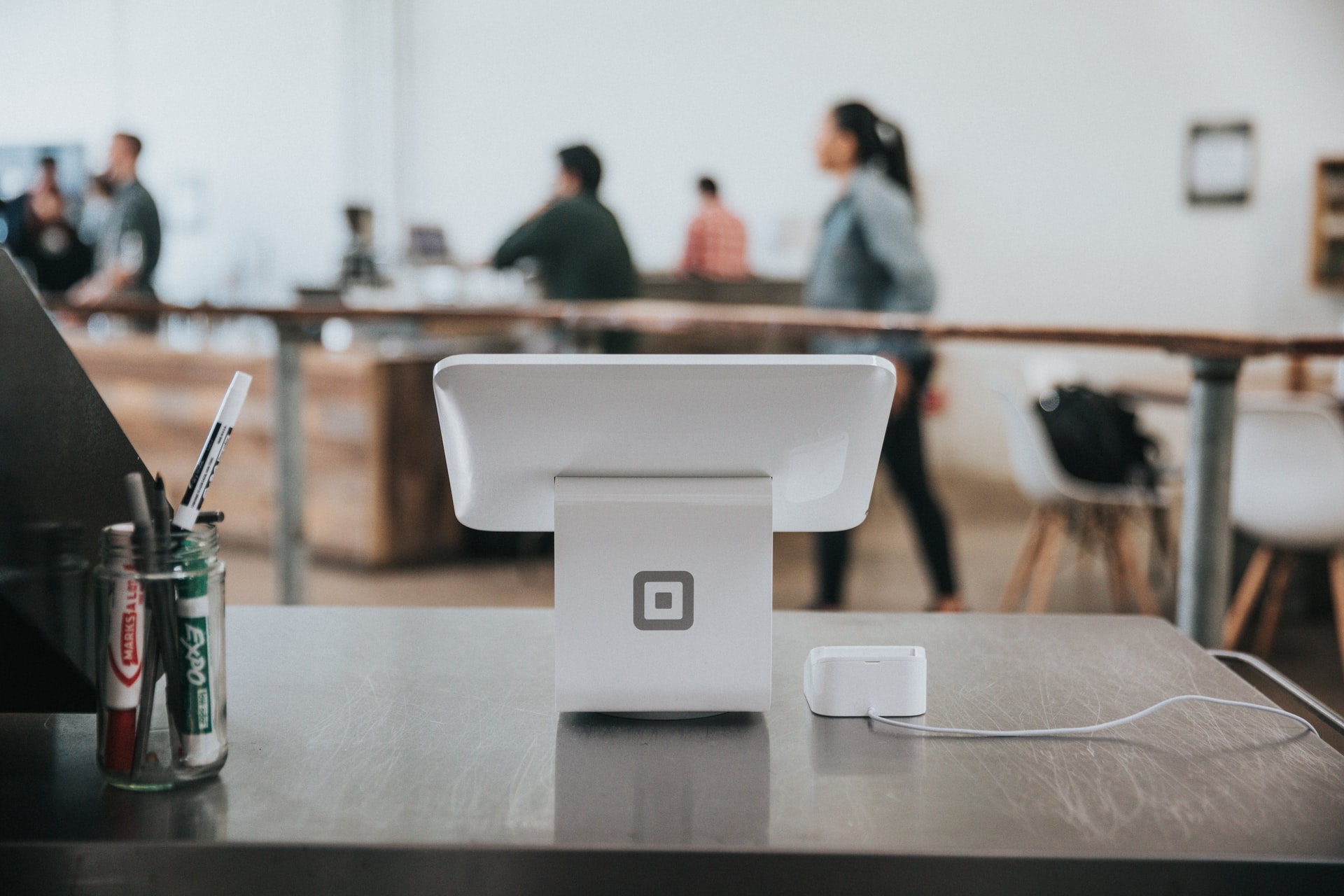
The Square Point of Sale integration connects Nexudus with Square so operators can transfer selected products and customers into Square. Transactions taken through Square can then sync back to Nexudus, with the associated invoices and payments updated.
NexKiosk can also support in-space purchases, giving members a way to buy products through a tablet-based experience.
This is a different job from collecting a recurring membership payment, which is why it makes more sense to think about your payment setup rather than trying to find one gateway that does everything.

What happens after someone pays?
This is where integrated payments become particularly useful.
Taking the money is only one part of the process.
Your team also needs to know:
- Who made the payment
- Which invoice or purchase it relates to
- Whether anything remains outstanding
- Whether access or another process depends on payment
- How that income appears in your financial reporting
When payments and coworking software are disconnected, somebody has to reconcile those records.
An integrated setup can reduce that manual work by connecting payment activity with the customer’s account and invoices. GoCardless and PayPal, for example, can update invoices in Nexudus after successful payment, while Square transactions can sync invoices and payments back into the platform.
That gives your team a more useful financial record than simply knowing that money has reached your bank account.

What should you look at when choosing a payment setup?
There isn’t one payment configuration that will suit every coworking business.
Before choosing yours, consider:
- Payment type: Do you mainly collect recurring memberships, one-off purchases or both?
- Processing time: Does the customer need instant confirmation, or can the payment take several days?
- Location: Which providers and payment methods are available in the countries where you operate?
- Member preference: Do your customers expect cards, Direct Debit, ACH, PayPal or another method?
- Online checkout: Can customers pay for bookings, products and services when they’re ready to buy?
- In-person sales: Do you need an ePOS or kiosk for purchases made inside the workspace?
- Automation: What happens when an invoice is issued, paid, overdue or refunded?
- Fees: What does the payment provider charge, and are there any additional platform or transaction charges?
- Reporting: Can your finance team easily connect payments with invoices, customers and revenue?
If you’re comparing coworking platforms, these are useful things to ask to see during a demo. Don’t settle for a tick next to “payments”; ask someone to show you what actually happens from the moment a member enters their payment details to the point your team sees the invoice as paid.
Bring payments into the rest of your coworking operation
Payments rarely happen in isolation.
They’re connected to memberships, bookings, products, invoices, access and reporting. The less your team has to move information manually between those processes, the easier it becomes to keep track of what has been sold and what has actually been paid for.
That’s why payment functionality should be considered as part of the wider software setup rather than as a standalone integration.
Our Coworking Software Blueprint looks at the other capabilities to consider when choosing a platform, while the Nexudus integrations directory shows the payment, accounting and other systems you can connect with Nexudus.