


- Coworking
- Coworking Resources
Practical AI Lessons for Coworking Operators from GWA Denver 2026

TL;DR
AI is already changing how coworking operators work, but the biggest lessons from GWA Denver 2026 weren’t about replacing people – they were about using AI responsibly. From getting teams on board and protecting sensitive data to automating repetitive tasks and building practical AI tools, the focus was on giving people more time to do what they do best: create great coworking experiences.
It’s a brave new world. As seemingly every conversation in our lives these days includes some mention of AI, it’s not surprising that at GWA this month, most talks touched on or focused on Artificial Intelligence and what it means for coworking.
As many of us have started to include AI in our day-to-day lives, I was interested to hear how coworking space operators are including it in their processes. How are they introducing its use to staff and customers and what creative tips the experts could offer? Let’s move past the high-level “Is AI going to kill us all” and onto the on-the-ground operator realities…
At Nexudus, we’re full-steam ahead on sensibly including AI tools where we can, to streamline processes and make the lives of community managers a lot simpler. But I went into this conference curious: what are the barriers to spaces utilizing what probably is the biggest technological advancement since the Internet? How is AI shaping the operator experience in 2026?
The GWA Denver sessions behind these AI lessons
AI Is Reshaping Your Team: Staffing, Roles and Workforce Design
Moderated by Angie O’Grady (Stellapop), with Kathryn Reilly (25N Coworking), Kim Lee (Forge, Birmingham AL) and Sam Shea (FLOC / Uniti AI).
Building an AI Strategy Your Team and Clients Can Trust
Moderator: Sofia Stolberg (Piloto Mail)
Speakers: Jennifer Billinger (Denver Coworking), Tom Kaminski (Isofy), Jessica Glew (WOTSO)
AI in Action for Workspace Operations
Moderated by Oliver Easton-Hughes (Chief Strategy Officer at KOHO)
Speakers:
Katie Baroway (COO and Managing Partner, Office Evolution), Peter Chee (Founder and CEO, thinkspace) and Ben Von Drehle (Founder and CEO, The Root Coworking).
Convincing the humans
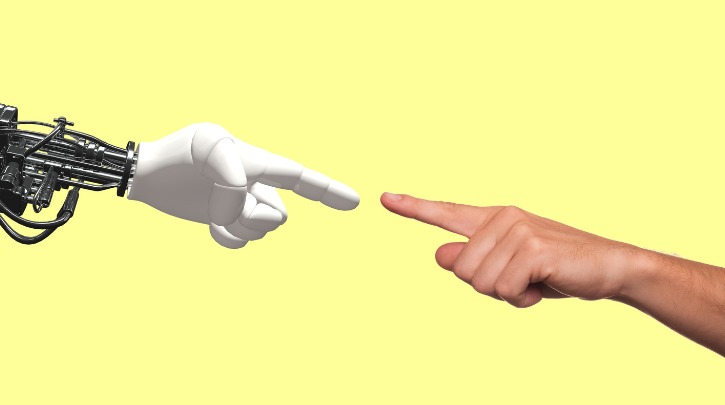
The first step is to clear the human hurdles. Jessica Glew (WOTSO) emphasized that before introducing any AI tools or policy, step zero is convincing everyone their jobs are not at risk.
“The moment you start talking about AI, the team’s first thought is whether their role is going away, and nothing else lands until that is addressed.” Jessica discussed how an underlying anxiety about how job security fits into a space’s AI policy is the elephant in the room and a compassionate engagement from leadership on how your AI use is being implemented is really step zero. It’s a bit unrealistic to expect your staff to use and implement tools if they think they will be replacing them in 2 years!
Jennifer Billinger added that a surprise for her during implementation of AI tools was the generational divide (or surprise) in how her staff embraced its use. She found older team members (her words, not mine!) were quicker to adopt and use, versus younger team members who had hesitations surrounding data security, job security and environmental impact. She advised an empathetic engagement with a buy-in from employees, rather than forcing a top-down directive.
Kim Lee from Forge chimed in that explaining to her staff that the tedious tasks that once took 20 minutes now can take 30 seconds was the easiest way to win them over. The tasks themselves are not disappearing, but they are becoming less time-consuming and challenging. Angie O’Grady from Stellapop pointed out that automating tasks like chasing unpaid invoices gives her community managers relief from the socially “uncomfortable” tasks right before greeting those same members over coffee…
Data security, building your own software and responsible usage
In the “Building an AI Strategy Your Team and Clients Can Trust” session Tom Kaminski from Isofy called the need for a tech team and a CTO at coworking spaces a “myth”, explaining that responsible AI usage is about processes and training, not software engineering.
His primary question for operators to consider when implementing AI was: “What business problems are you trying to solve, and what guidelines can you put around solving it safely?”
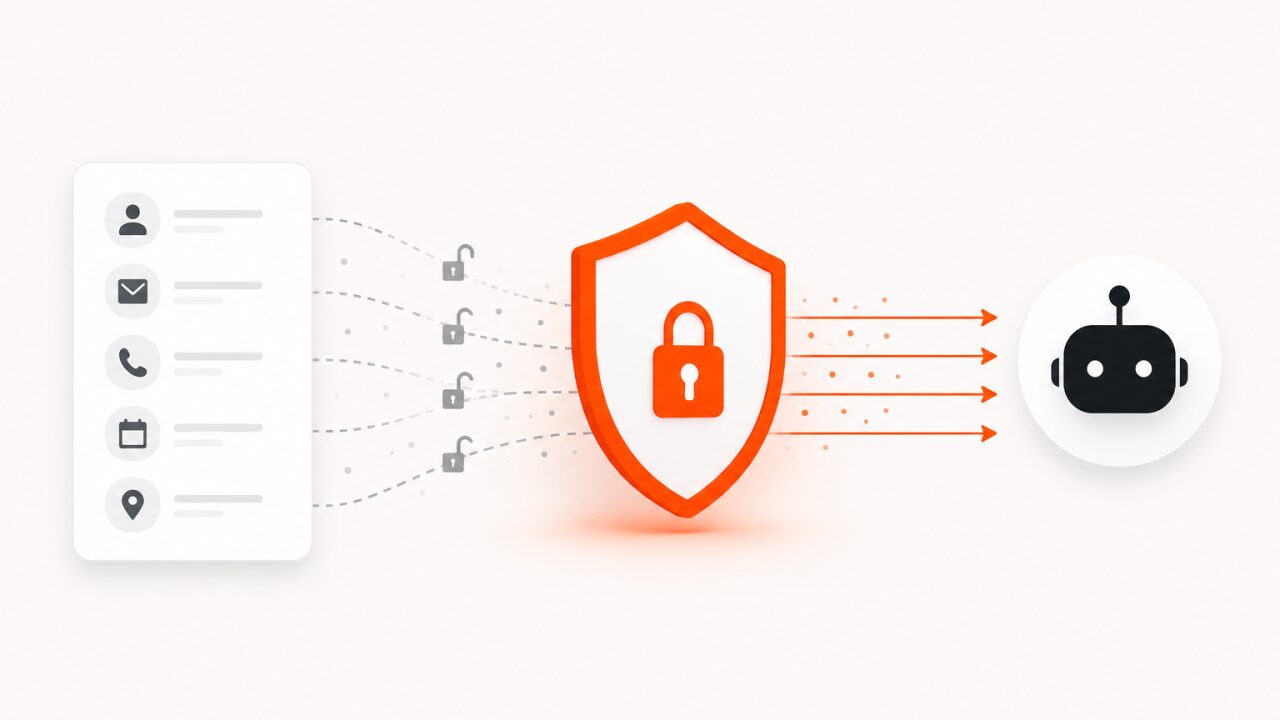
He proposed a “traffic lights system” for feeding data to AI:
Green: Anything that is publicly available
Yellow: Financial data, internal data, SOPs
Red: PII (personally identifiable information), member info, contact info, NDAs.
There should be no ambiguity on what can or can’t be shared with AI on your team
The panel discussed the concept that because AI can generate code, building your own software should be faster, cheaper and more accessible than buying it.
Everyone on this panel landed on: it depends, but for different reasons. Jessie Glew (WOTSO) gave the honest founder’s answer. WOTSO built its own platform ten years ago and she described the cost and agony of that decision candidly for the audience.
What she values now is control. When the local market shifts, they can change things themselves, and AI has made that far faster than it was 10 years ago. But she was blunt that if she were starting a coworking space from scratch today, she would buy off-the-shelf. Her rule of thumb on software: If it’s not your core competency, buy it.
Tom’s opinion was a bit more direct. Anyone can tell AI to write software, and he has this conversation with engineers daily, but if you do not understand the underlying code and architecture and the business problems it’s trying to solve, the AI will build something that looks like it works. AI assumes things, misses context about processes, or misunderstands the relationship you have with your human members. You also need to consider who will understand, own and maintain the code produced by the AI? (I’m not sure if Tom meant after all the humans have been replaced!)
His rule of thumb, which he returned to several times, was that if software is not your core competency, you should just buy it, because there are already experts in that field who will just do it better.
Tom finally cautioned against blindly trusting the output from AI: “Once AI output leaves your computer and you have shared it with others, those words become yours. You cannot later say that Claude wrote it…”
Building AI tool that empower your staff
In the session, “AI in Action for Workspace Operations”, the panelists shared some AI use cases that have turbo-charged their processes.
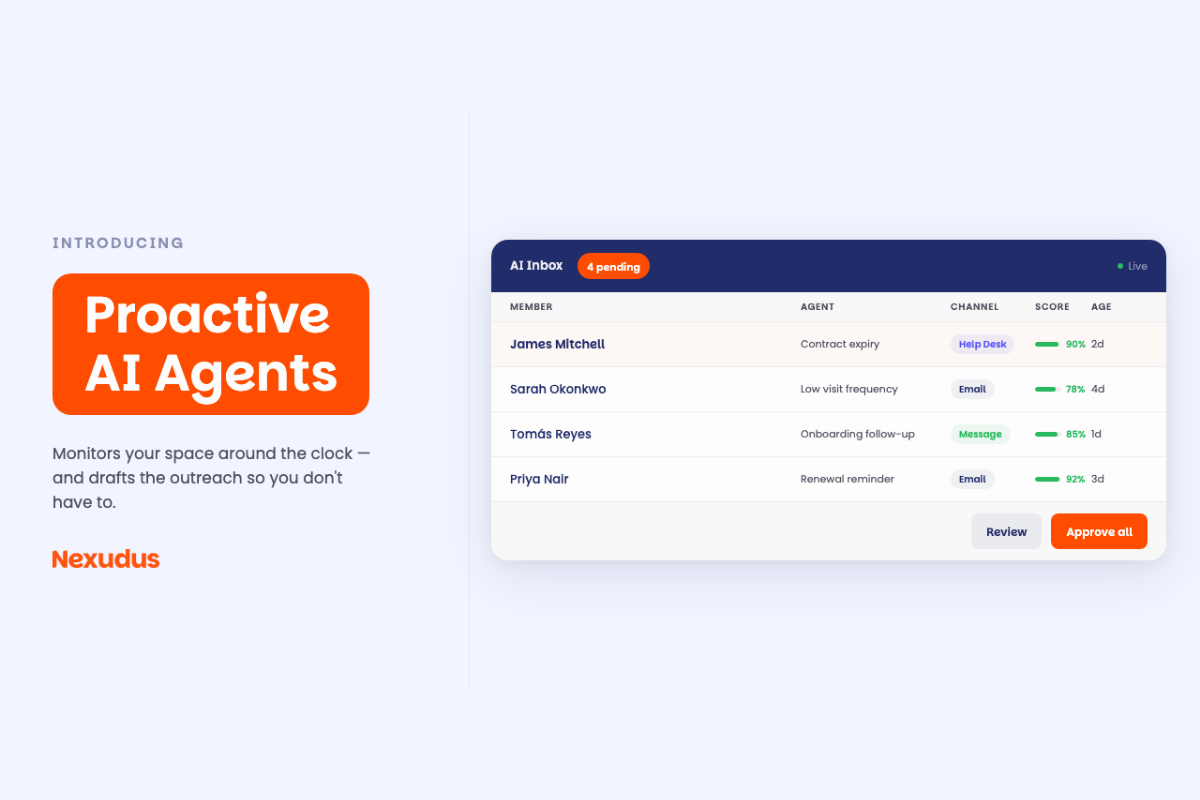
Ben Von Drehle (from The Root Coworking) built a custom “Tour Buddy” iPad app in 3 hours, which gives staff real-time floor plans, inventory, and pricing without needing to memorize their 60–70 office tiers, and allows them to demonstrate real-time availability ON the tour.
Peter Chee (from Thinkspace) rebuilt his business to be AI-first so their institutional knowledge builds over time rather than living in staff members’ heads and lost to turnover. However, he emphasized keeping AI away from your core systems: “The one thing we refused to touch is the property management layer that runs invoicing and member logins… That is the layer of trust we do not want to break.” (My job is safe for now, eh Peter?)
I’m reclaiming my time
In the session “AI Is Reshaping Your Team: Staffing, Roles and Workforce Design”, Sam Shea of Uniti AI shared some data about his automated agents.
Running across email, SMS, web chat, and voice calls, the agents save sales teams around 10 hours a week and marketing teams around 3 hours a week.
Angie O’Grady of Stellapop shared her anecdotal cautionary tale of renting an apartment for her son where an AI agent promised human help but failed on the handoff – no one ever followed up. I wonder if that was a human error however…
Kathryn Reilly of 25N Coworking got the biggest laugh of the day explaining that a vendor had contacted her about an admin posting, to tell her AI could handle the role, to which she replied that AI can’t move the conference table, sweep and greet anyone warmly… (yet Kathryn, yet).
Coworking’s origin and its future
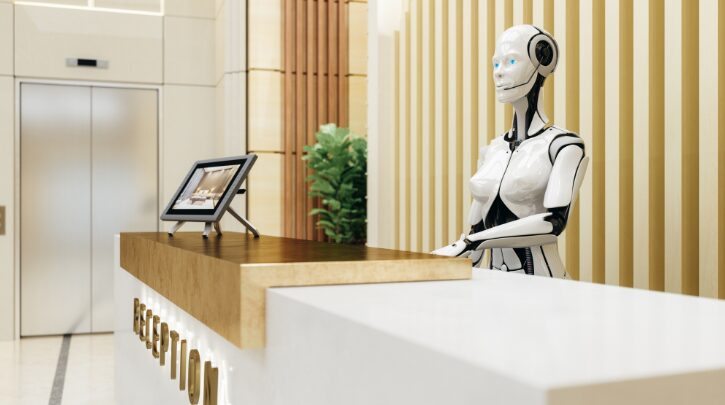
The coworking industry was built on the spirit of community and human connection. The very things that AI can never outdo and never replace. It can never be the ‘good morning!’ at the front desk, but it can strip away the administrative friction so teams can deliver authentic, stellar hospitality.
If you could eliminate just one back-office friction point this month without losing the HUMAN touch at your front desk, what would that be?

Want to know more about
how Nexudus could help your business?
We’re here to answer any questions you have.
Latest articles
-
- Coworking
- Technology
Nexudus AI Agents: The Different Types and What They Do
Emily Nguyen on October 12, 2026 -
- Coworking
- Coworking News
- Technology
AI didn’t add a feature to coworking software. It’s rewriting what the product is.
Jane Robathan on September 30, 2026 -

- Coworking
Advanced Coworking Analytics: When Standard Reports Fall Short
Emily Nguyen on September 15, 2026