


- Coworking
- Technology
Nexudus AI Agents: The Different Types and What They Do
TL;DR
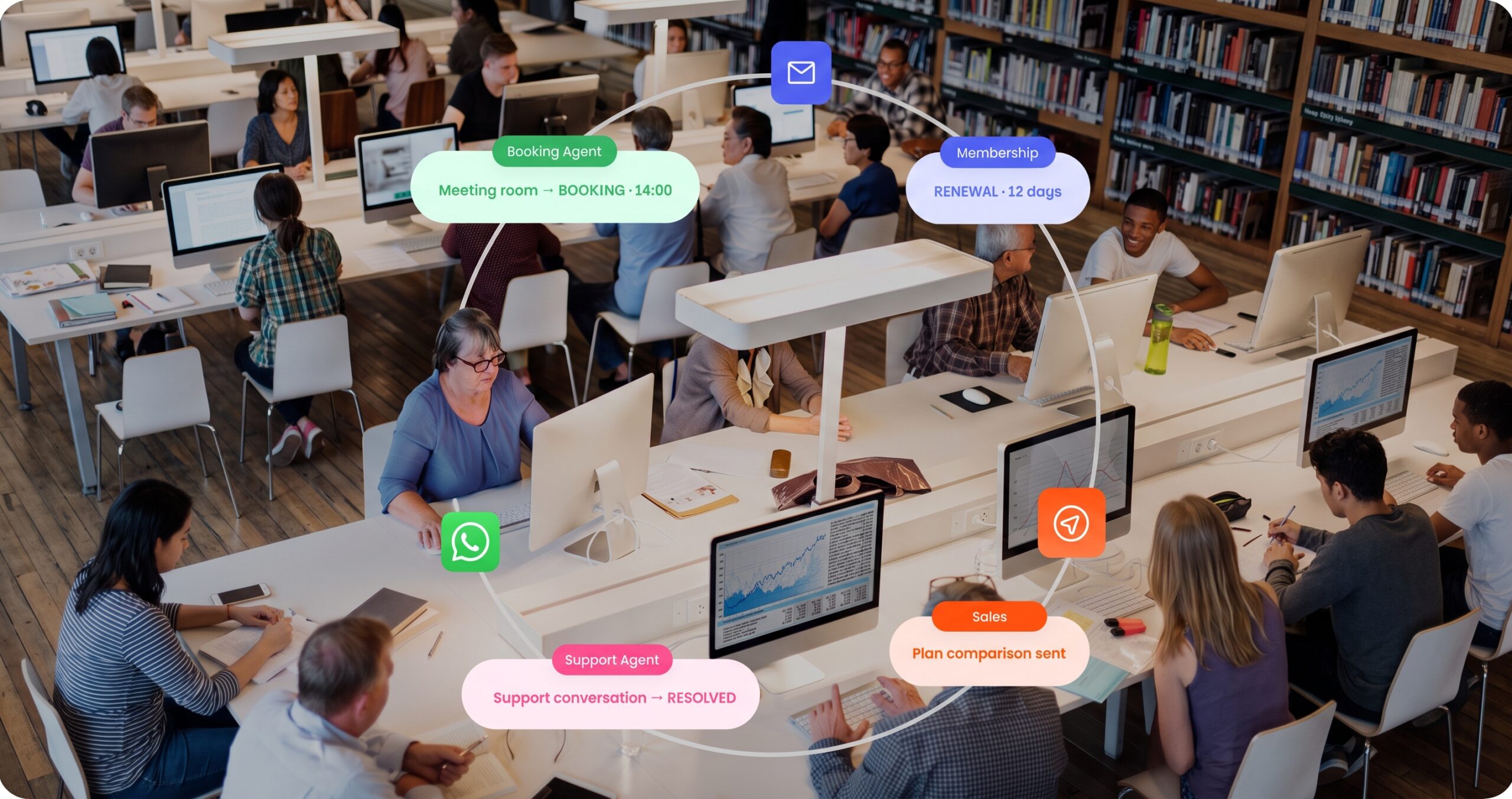
AI agents for coworking spaces can take on a range of everyday tasks, giving your team more time to focus on members and growing your community. From answering enquiries and helping prospects find the right workspace to managing bookings, following up on overdue invoices and spotting recurring support issues, each agent has a different role to play.
This guide explores the five Nexudus AI agents, what they do and how to decide which could be the best fit for your workspace.
AI agents for coworking spaces are changing how coworking teams handle everyday tasks, from answering enquiries and helping prospects find the right membership to managing bookings and chasing overdue invoices. But what does that actually look like in practice, and where can AI make a difference to your team?
At Nexudus, we’ve developed different AI agents to support different parts of the coworking experience. Each has its own role, whether that’s helping a potential member take the next step or making sure an invoice reminder doesn’t slip through the cracks.
Let’s take a closer look at the five Nexudus AI agents, what they do and how they could fit into your coworking space.
1. Front Desk Agent: Giving every enquiry a place to go
Your front desk is often the first point of contact for someone discovering your workspace. That might be a prospective member comparing locations, a visitor looking for information or an existing customer with a question about your facilities.
The challenge is that enquiries don’t always arrive when your team is free to answer them. A prospect researching office space in the evening might not want to wait until the next morning to find out whether you have availability. Meanwhile, your team has people to welcome, events to organise and members to look after.
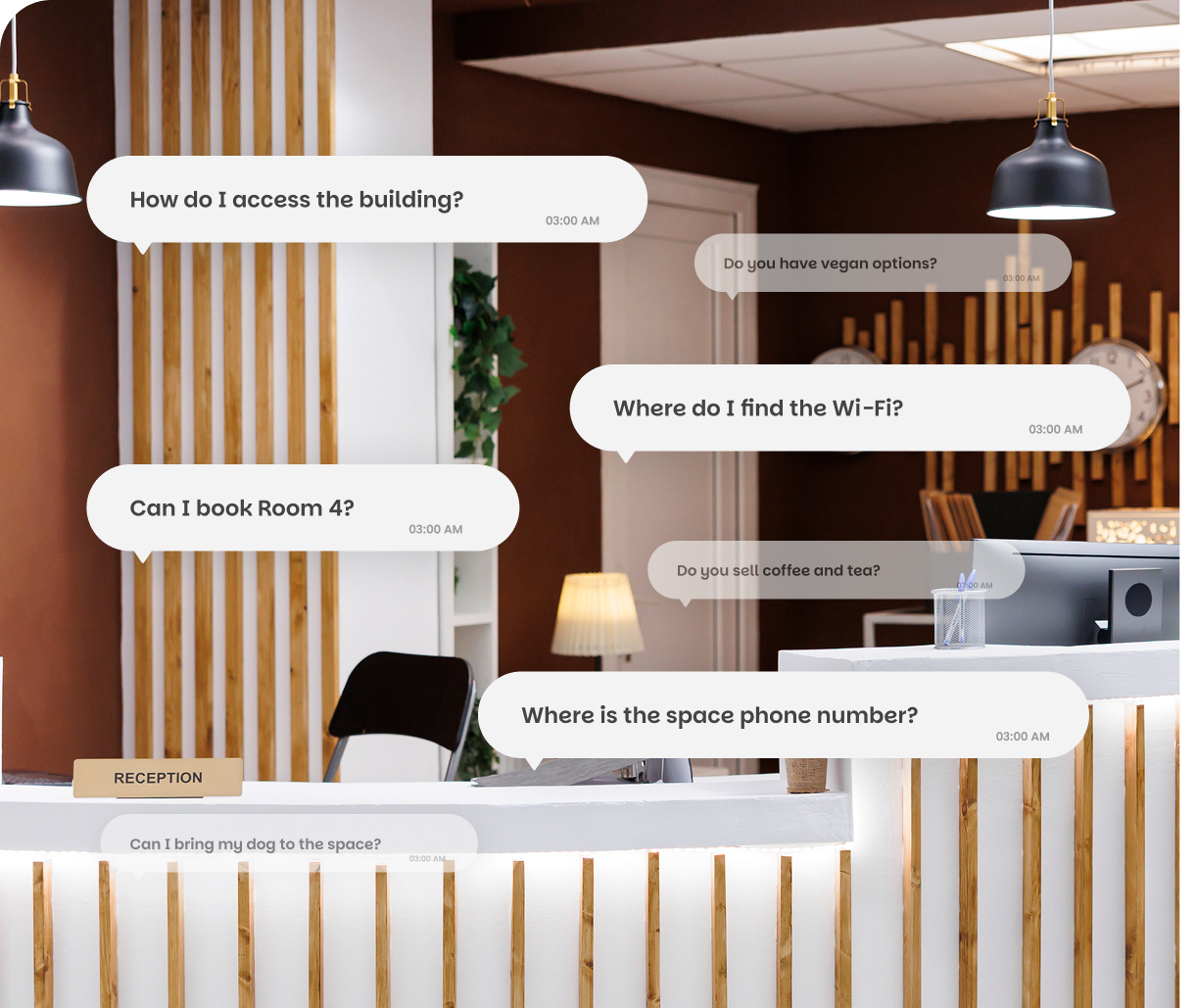
The Front Desk Agent helps answer questions using information about your workspace, including locations, plans, products and frequently asked questions. It supports conversations across channels including chat, email, WhatsApp and phone, helping people find the information they need.
Depending on the enquiry, that might mean explaining membership options, providing details about a location or helping someone take the next step towards visiting your space.
For operators, the benefit is having another way to respond to routine enquiries, including outside staffed hours. Your team can still handle conversations that need a personal response, while people looking for straightforward information have somewhere to turn.
2. Sales Agent: Helping prospects make their decision
An enquiry doesn’t automatically turn into a membership. Prospective customers have different priorities, budgets and questions to work through before deciding whether a space is right for them.
One person might be comparing private offices, while another wants to understand the difference between membership plans. Someone else might be interested in a tour but needs to find a suitable time first.
Keeping these conversations moving takes attention, particularly when your sales team is handling multiple leads at different stages.
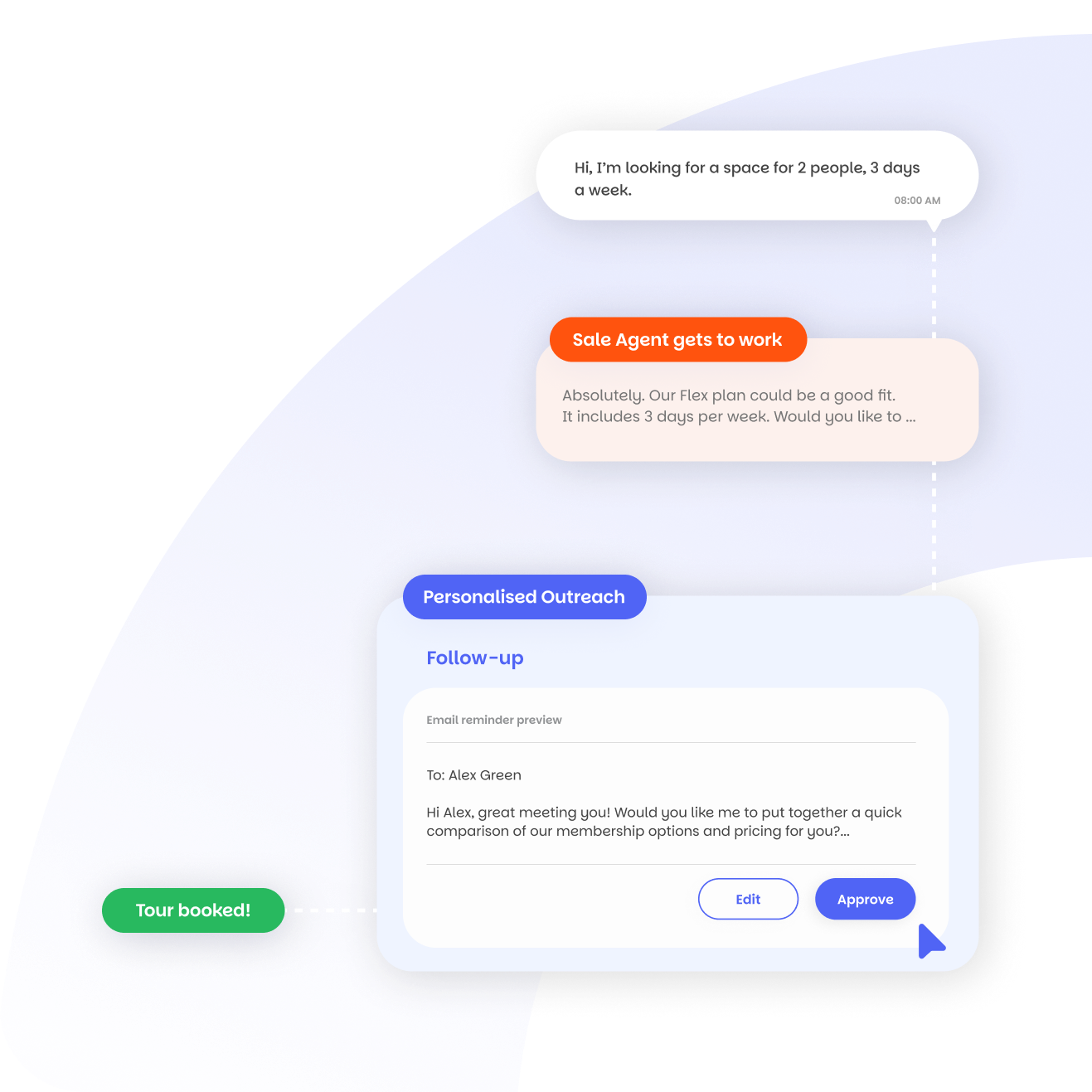
The Sales Agent helps prospects explore locations, plans, day passes and private offices through conversations across chat, email and WhatsApp. It uses your actual plans, offers and pricing to provide relevant information and can support actions such as booking a tour.
It can also help operators understand how conversations progress towards outcomes such as tours, day passes and new memberships.
This matters because the number of enquiries a workspace receives only tells part of the story. Understanding which conversations lead to genuine opportunities gives operators a better picture of their sales activity.
The agent’s role is to support the early stages of that journey, giving prospects a way to explore their options while allowing the sales team to focus on more involved discussions and decisions.
3. Booking Agent: Making reservations easier to manage
Members book desks and meeting rooms because they have somewhere to work, a meeting to run or a client to see. They generally don’t want the booking process to become another task in itself.
Finding a suitable resource can involve checking availability, understanding access restrictions and choosing the right time slot. And when plans change, members need a way to amend or cancel their reservations.
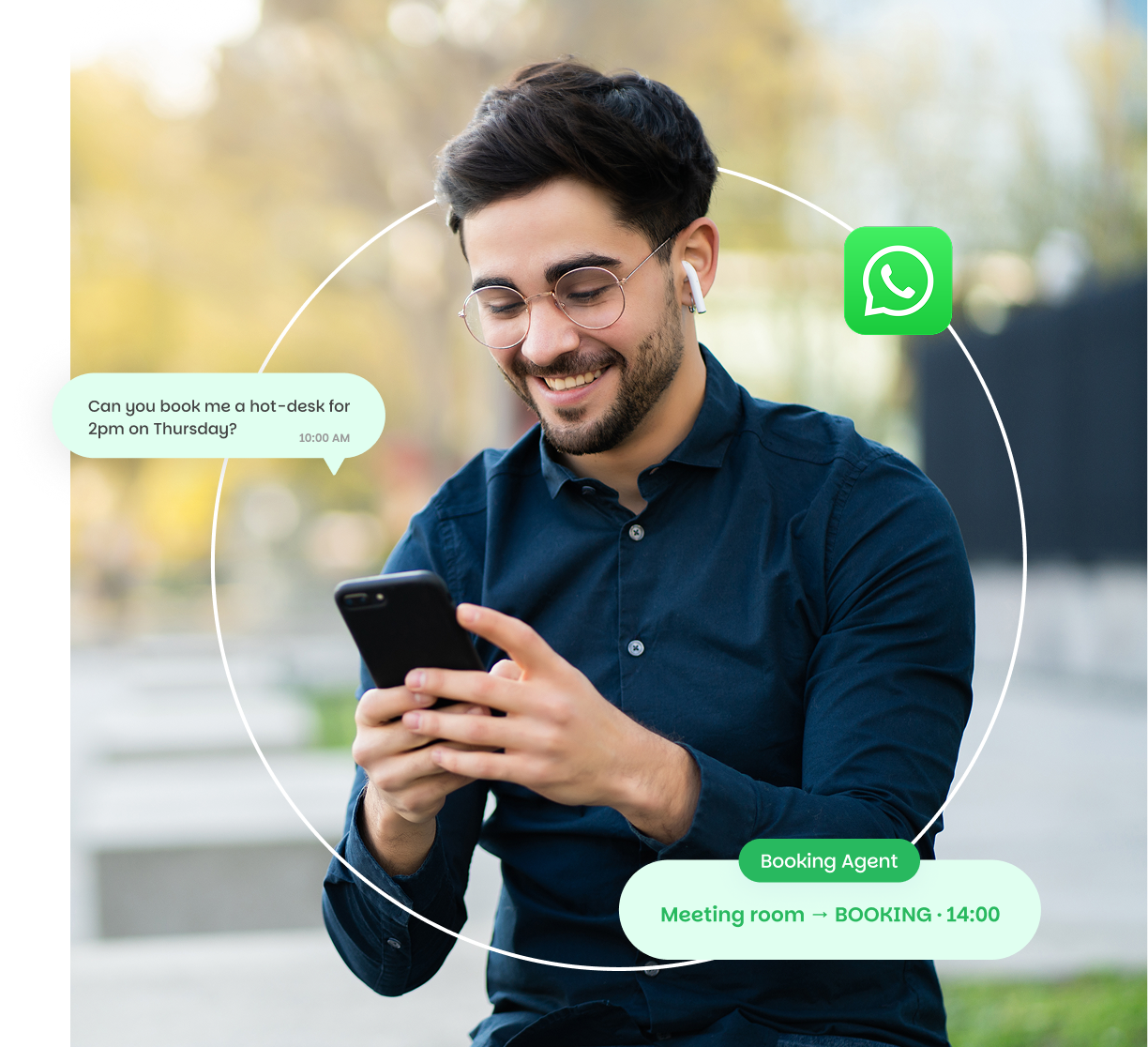
The Booking Agent lets members ask about availability and make reservations through a conversation. It checks live availability and follows the booking rules configured in Nexudus, including restrictions on which resources particular members can access.
Members can also request changes or cancellations, with conversations supported across chat, email, WhatsApp and phone.
For operators, this provides another way for members to interact with the booking system. Rather than navigating a booking interface, they can describe what they need and receive assistance with the reservation.
The agent works within the existing rules and availability of the workspace, so it isn’t simply suggesting resources without regard for whether they can actually be booked.
For spaces with a steady flow of desk and meeting room reservations, that offers a more conversational route through a task members carry out regularly.


Annica Andersson
Head of Corporate Workplace Operations
4. Invoice Reminder Agent: Keeping payment follow-ups on schedule
Chasing overdue invoices probably isn’t anyone’s favourite part of running a coworking space. It’s necessary, of course, but it can be surprisingly easy for a follow-up to slip down the to-do list when other things need your attention.
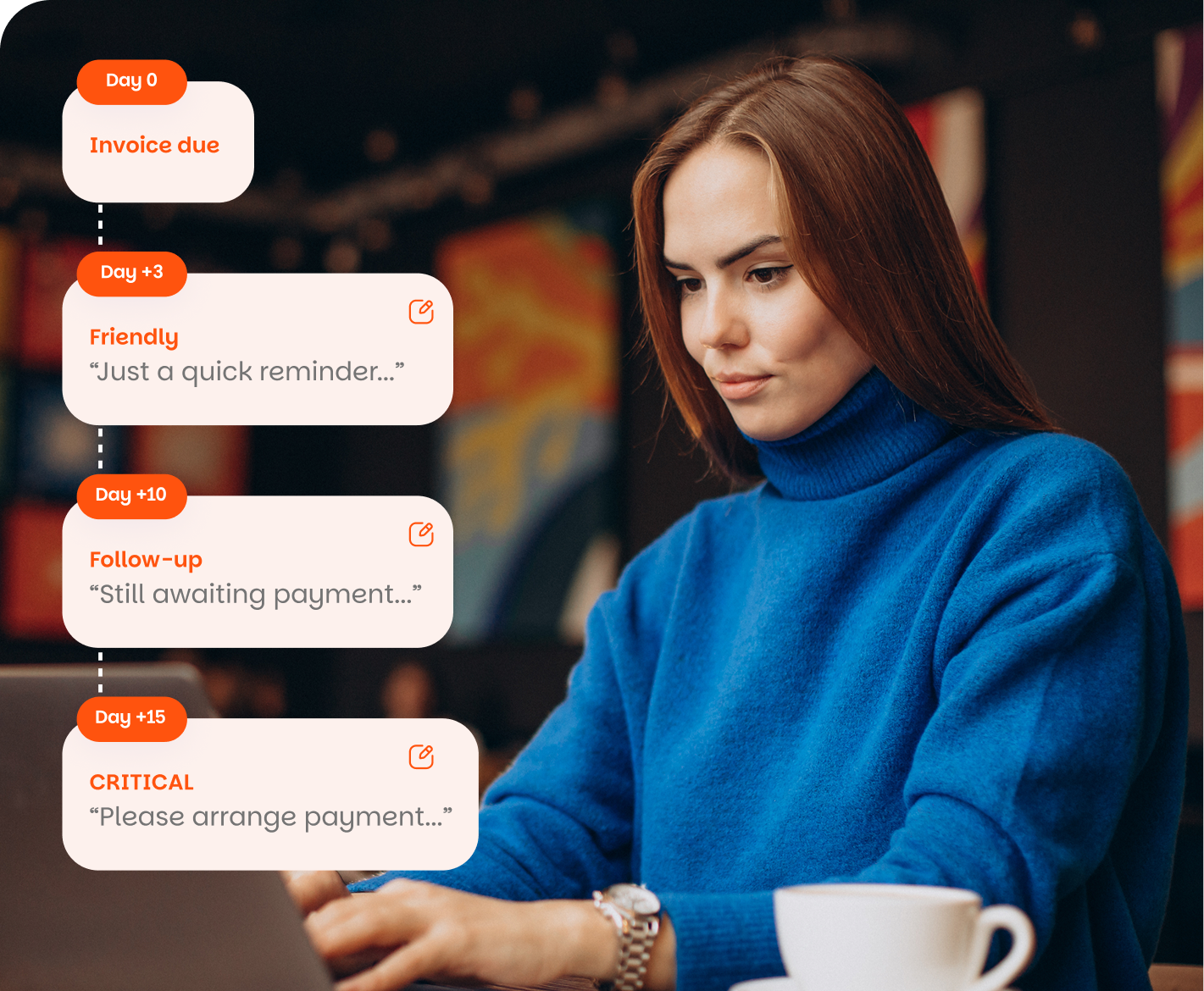
The Invoice Reminder Agent helps you stay on top of those reminders. It can monitor overdue invoices and prepare personalised messages with details such as the customer’s name, outstanding balance and payment link.
You can set up reminder stages and rules to suit the way you work. If you prefer to keep an eye on every message, your team can review and approve reminders before they’re sent. Or, if you’re comfortable letting routine follow-ups happen automatically, you can enable automatic sending.
Either way, the aim is to make invoice follow-ups a little easier to manage, without relying on someone to remember every single one.
And when a payment needs a more personal conversation, your team can still step in. An automated reminder won’t resolve every payment issue, but it can help make sure the first follow-up doesn’t get forgotten.
5. Customer Service Agent: Spotting the bigger picture in member support
A single support request might be easy to resolve. The more interesting question is what happens when the same issue keeps appearing.
If several members report problems with WiFi, for example, the team needs to know whether they’re dealing with separate incidents or a wider problem. If people repeatedly ask the same question, it might also be a sign that the relevant information isn’t easy to find.
The Customer Service Agent supports member enquiries using FAQs and business information, while helping operators identify patterns across support requests.
It can flag recurring questions or unusual increases in tickets, suggest a check-in message when an individual member has raised several issues, and draft FAQ content when the same questions keep coming up without a suitable article to answer them.
These suggestions give the team something concrete to review. Rather than treating every ticket as an isolated request, operators can investigate repeated problems and decide whether changes to their facilities, processes or member information are needed.
Of course, not every issue can be resolved with an answer or an FAQ. Some situations need a member of the team to investigate, make a judgement call or speak directly with the person involved. The agent can hand conversations over when human attention is needed.
For operators, the value lies in supporting day-to-day enquiries while making recurring issues easier to identify.
How do the different AI agents fit together?
Although each agent has a distinct role, they work as a team!
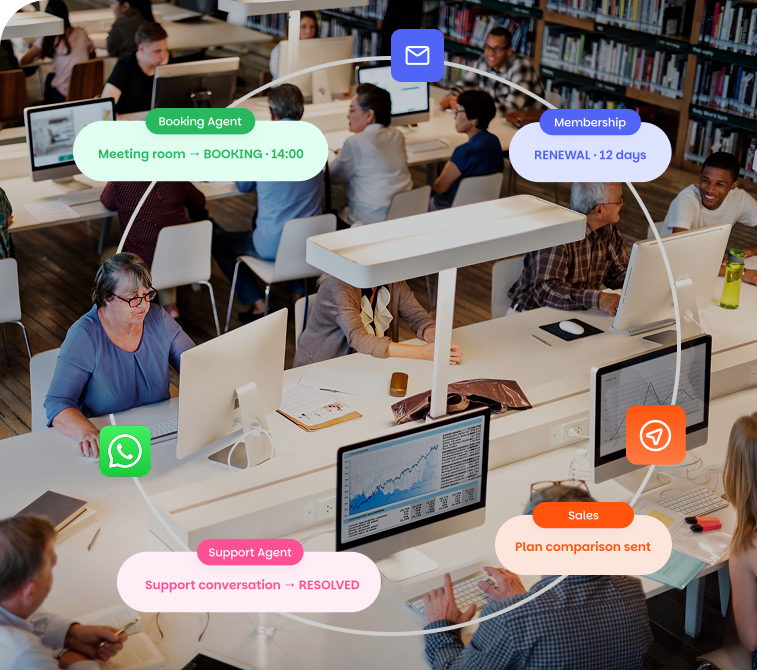
Consider a prospective member discovering your workspace. They might start by asking the Front Desk Agent about a location, then use the Sales Agent to explore membership options and arrange a tour. Once they join, the Booking Agent can help them reserve desks or meeting rooms, while the Customer Service Agent supports them with questions during their membership.
Alongside these interactions, the Invoice Reminder Agent handles a separate but equally important part of the business: following up on overdue payments.
This doesn’t mean every workspace needs all five agents from day one. A smaller operator might have a particular need around incoming enquiries, while a larger network could be looking at several different workflows.
The point is that each agent serves a different purpose. Together, they cover activities across the customer journey and the operational work that happens behind the scenes.


Gregor Burney
General Manager
Which AI agent is right for your coworking space?
The best place to start depends on your team’s workload, the processes you want to improve and the needs of your members.
Think about where time is being spent, which tasks recur most often and where delays or inconsistencies tend to arise.
Here’s a quick way to match those everyday challenges to the right agent:
- Your team can’t always respond to enquiries straight away: Take a look at the Front Desk Agent.
- Prospects need help understanding your memberships and workspace options: The Sales Agent could be a good fit.
- Members regularly need help with bookings or changes to reservations: Explore the Booking Agent.
- Following up on overdue invoices takes up too much time: Find out how the Invoice Reminder Agent can help.
- Your team keeps answering the same support questions: The Customer Service Agent is worth a closer look.
You might recognise your business in more than one of these situations. That’s fine. Start by identifying which issue has the greatest impact on your team or members, then explore the relevant agent’s capabilities and how they fit your existing processes.
It’s also worth considering what should happen when an agent reaches the limits of its role. Clear rules, appropriate oversight and a straightforward route to human support remain important, particularly when a conversation involves a sensitive issue or a decision that needs individual attention.
Find the right AI agent for your workspace
Every coworking business has its own priorities. For one operator, the biggest challenge might be keeping up with incoming enquiries. For another, it could be the time spent managing bookings, chasing payments or responding to member support requests.
Nexudus AI agents are designed to address these different responsibilities, giving operators a choice of capabilities based on the work they need support with.
Want to know more about
how Nexudus could help your business?
We’re here to answer any questions you have.
Latest articles
-

- Coworking
- Coworking Resources
Practical AI Lessons for Coworking Operators from GWA Denver 2026
Damian on October 1, 2026 -

- Coworking
- Coworking News
- Technology
AI didn’t add a feature to coworking software. It’s rewriting what the product is.
Jane Robathan on September 30, 2026 -

- Coworking
Advanced Coworking Analytics: When Standard Reports Fall Short
Emily Nguyen on September 15, 2026