- Coworking
- Technology
Key Nexudus Features for Managing a Coworking Space

TL;DR
From billing and bookings to reporting, community engagement and AI, coworking operators have a lot of moving parts to manage. Nexudus brings these processes together in one platform, helping teams spend less time on repetitive admin and more time running their spaces. Here are 10 key Nexudus features and capabilities, with deeper guides to help you explore each one.
Running a coworking space means keeping a lot of plates spinning.
There are invoices to send, meeting rooms to manage, members to support, doors to open, visitors to welcome and reports to review. As your space grows, or you add more locations, handling each of these processes manually becomes increasingly difficult.
This is where coworking technology can make a real difference.
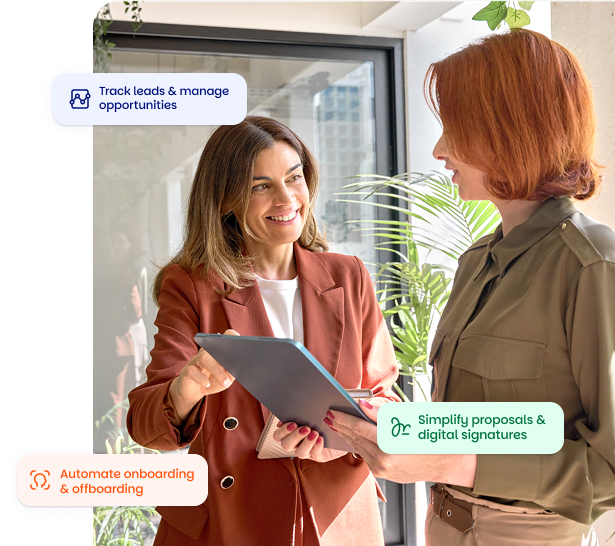
From automating daily processes to supporting your team in building a thriving community and growing revenue, Nexudus gives coworking and flex operators a set of connected tools for managing their spaces.
You won’t necessarily need every feature from day one. The right mix depends on how your business operates, the services you offer and what your members need.
Here are ten areas where Nexudus can help.
1. Automate billing and payments
Getting paid shouldn’t require your team to spend hours creating invoices, checking payments and chasing customers every month.
Nexudus can automate recurring invoices, payments and other billing processes, while connecting financial activity with the members, teams, plans and services already managed in your account.
This becomes particularly useful as your business gets more complicated.
For example, a company might have several team members, meeting room bookings, additional products and recurring membership charges. Rather than handling those transactions separately, your billing system can bring them together and apply the appropriate rates, credits or discounts.
Nexudus also connects with a wide range of payment and accounting providers, giving operators more choice over how money moves through their business.

2. Manage access without relying on physical keys
Access control is about much more than opening the front door.
Different members may have access to different locations, rooms or times of day. A private office customer might need 24/7 building access, while a day-pass customer only needs entry during business hours.
Connecting access permissions with membership information means those rules can be applied without your team manually updating separate systems every time something changes.
Nexudus integrates with access-control providers so operators can connect access permissions to the plans, resources and people they already manage in the platform.
That becomes particularly important when someone joins, changes membership or leaves. Your operational records and access rules can stay connected rather than relying on somebody remembering to update them separately.
3. Make desks, rooms and resources easier to book
Meeting rooms and desks are valuable resources, but managing them can quickly become complicated.
Members want to see what’s available and book it without asking reception. Teams may need to make bookings on behalf of colleagues. Some people want the same desk every Tuesday, while others need a meeting room for one afternoon.
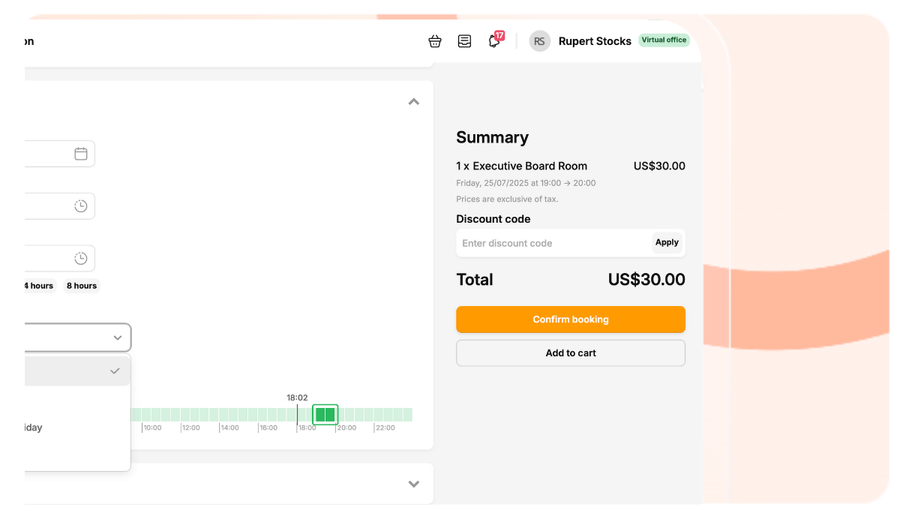
Nexudus lets operators manage bookable resources, availability, pricing and rules while giving members ways to make and manage their own bookings.
Operators can also control how far ahead members can book, who can use particular resources and how repeat bookings work.
For spaces with busy meeting rooms, this can help tackle another familiar problem: a room being reserved but sitting empty because nobody remembered to cancel it.
Booking data can then give your team a clearer view of which resources are in demand and which ones may not be earning their keep.

4. Use floor plans to understand how your space is being used
A list of desks and rooms tells you what resources you have. A floor plan helps you understand where they actually sit within your building.
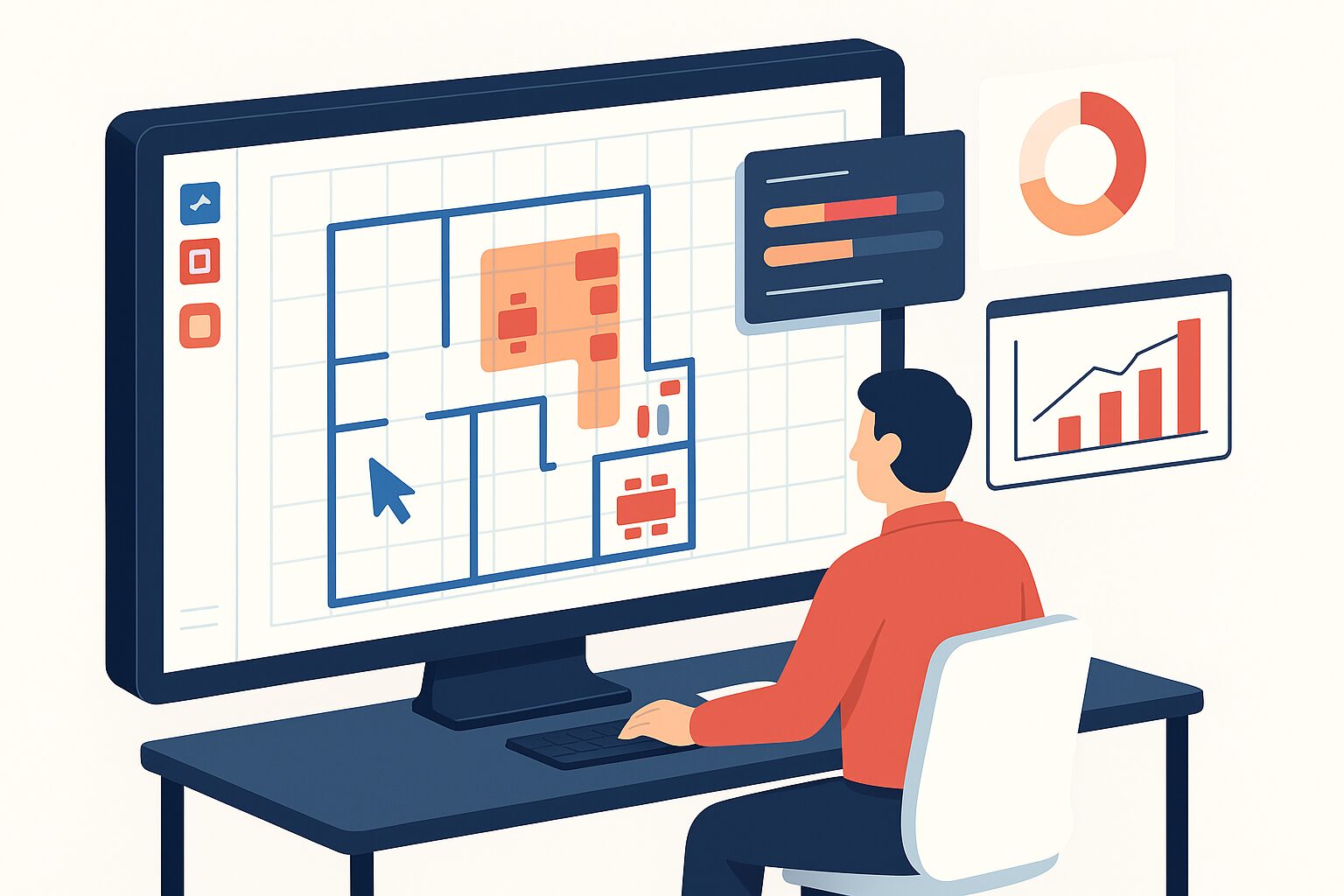
Nexudus Floor Plans let operators create a digital representation of their workspace and link areas of that plan to desks, offices and other units managed in Nexudus.
That can make the booking experience easier for members who want to understand where a desk or room is located before reserving it.
For operators, floor plans can also provide another layer of operational information.
You might connect occupancy or environmental sensors, review how different areas are being used or use accurate measurements when analysing the performance of your space.
It becomes much easier to ask questions such as: Are members regularly choosing one part of the building over another? Is a large meeting room usually being used by only a few people? Could an underused area serve a different purpose?
5. Turn workspace data into useful reporting
Without a clear view of what is happening across your workspace, decisions can quickly become based on assumptions.
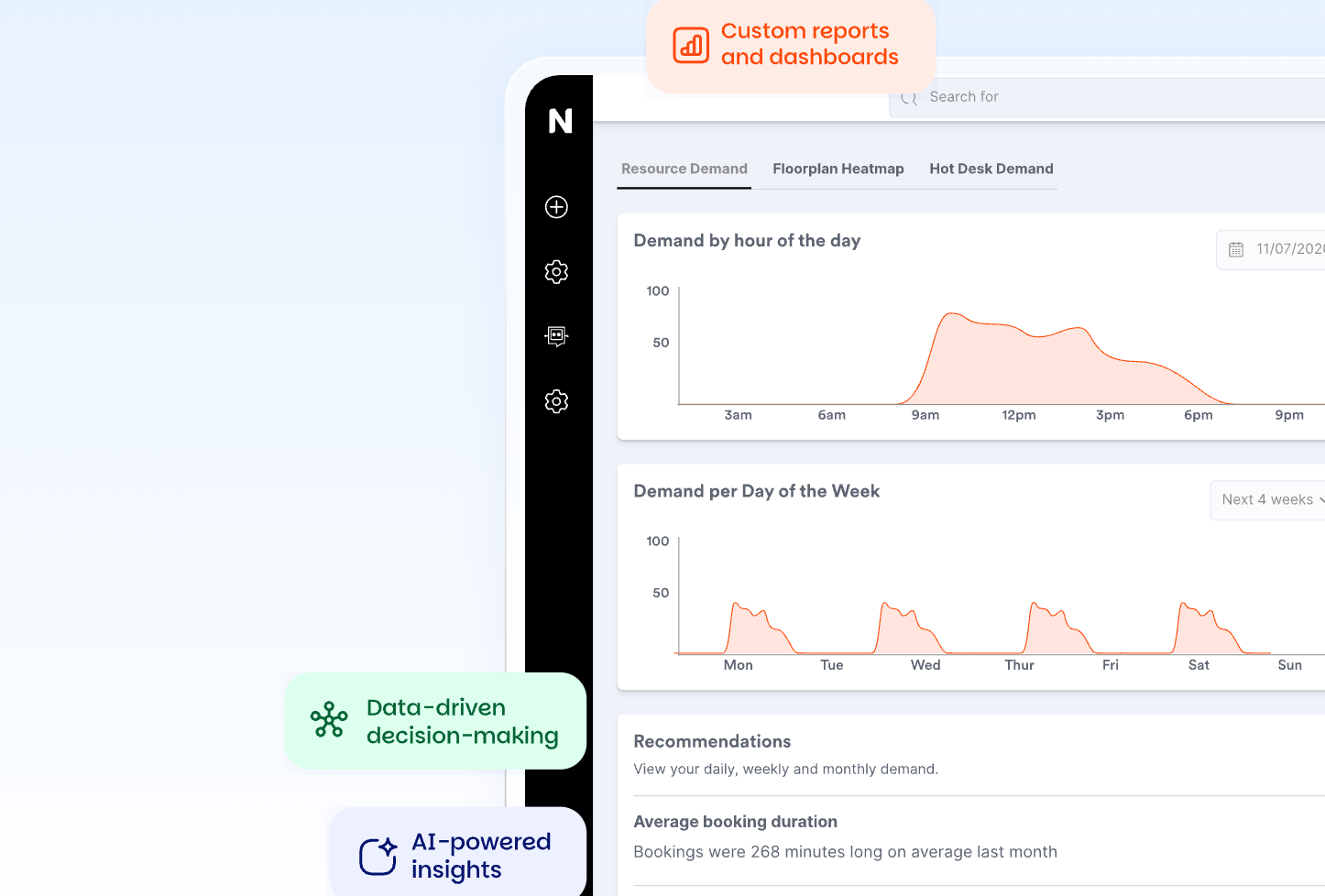
Which locations are performing well? Are meeting rooms actually being used? Is recurring revenue growing? Are members leaving particular plans more frequently? Is one site approaching capacity while another has room to grow?
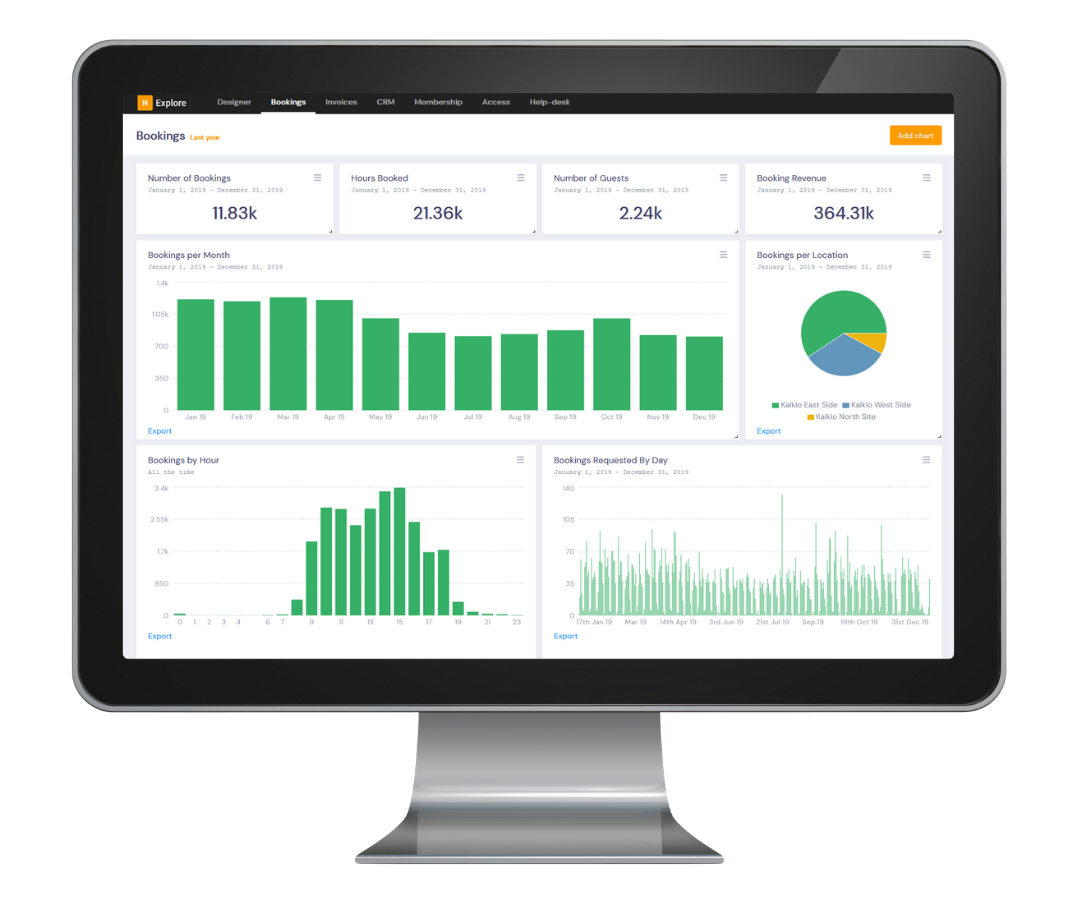
Nexudus reporting brings together information across areas including revenue, invoices, bookings, occupancy, memberships, retention and churn.
Operators can use this information to review individual locations or step back and look across a larger portfolio.
For example, high occupancy might initially look positive. But if revenue per available desk is weak, the commercial picture may tell a different story. Likewise, a stable member count can hide a lot of movement if new members are replacing customers who are leaving.
Reporting gives you the context to investigate what is actually changing.
6. Give members more control over their experience
Community is a huge part of coworking, but community teams already have enough to do without becoming the middleman for every simple member request.
Giving members ways to manage parts of their own experience can make things easier on both sides.
Through Nexudus tools such as the Members’ Portal and Passport, members can access information and services connected to their account, including bookings, invoices and community features.
Operators can also use tools such as member directories, discussion boards, forms and surveys to help people connect and communicate.
This is particularly useful for communities that extend beyond the people physically sitting in the building on any given day. Members might work from home, travel between locations or only use the workspace a few times each month while still wanting to stay connected with what is happening.
The digital member experience can help maintain that connection.
7. Bring events into the rest of your coworking operation
Events can play a big role in building community, attracting new people to your space and giving existing members more reasons to engage.
But each event also creates work.
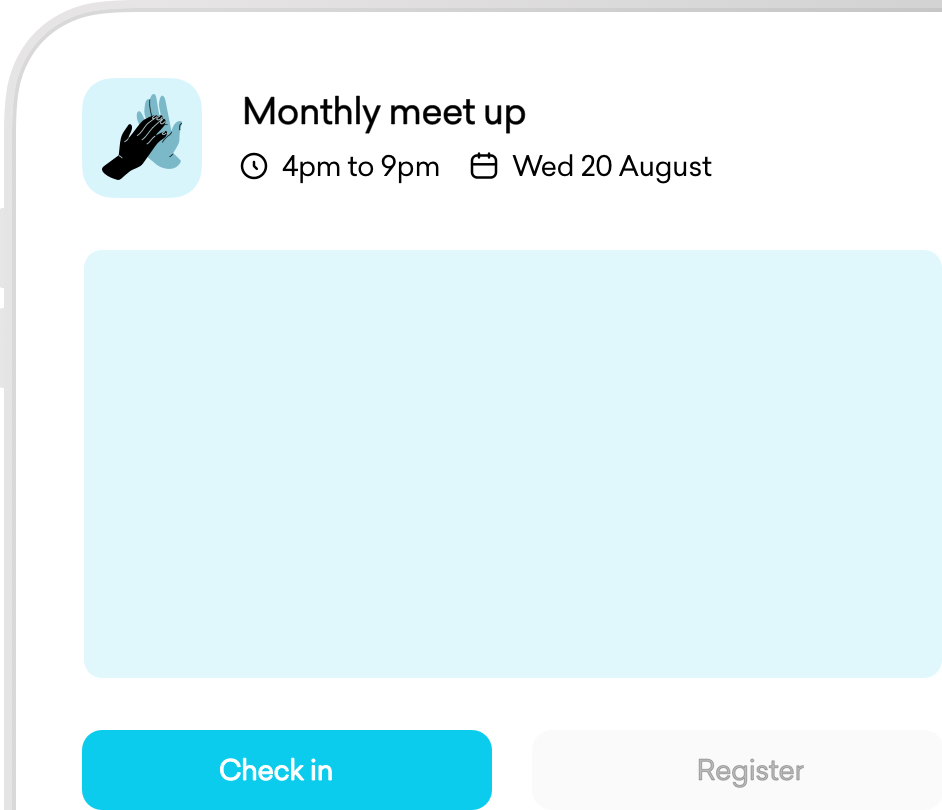
Someone needs to manage registrations, tickets, attendee information, capacity, waiting lists, communications and check-in. When these tasks sit across several different systems, even a relatively small event can create a surprising amount of admin.
Nexudus lets operators manage events alongside the members, teams, contacts and other information they already hold in the platform.
That means you can control who can access an event, collect information during registration, keep attendees informed when details change and manage ticketing and attendance.
NexEvents then provides a dedicated way to manage event check-ins, including QR codes and attendee information.
The benefit is that events don’t have to sit separately from the rest of your coworking operation.

8. Connect Nexudus with the rest of your technology
No single piece of software needs to do absolutely everything.
Coworking operators often use separate systems for accounting, payments, access control, CRM, WiFi, visitor management and other parts of their business.
What matters is whether those systems can work together.
Integrations can remove repetitive steps between platforms and reduce the chances of information becoming disconnected.
For example, you might want payment information to flow into your accounting system, sales activity to connect with your CRM or access permissions to change when someone’s membership changes.
Nexudus connects with a wide range of third-party platforms and also provides APIs and other tools for operators with more bespoke requirements.
9. Use AI where it solves an actual operational problem
The conversation around AI in coworking has moved quickly.
The useful question for operators isn’t simply whether their software “has AI”. It’s what that technology can actually help their team do.
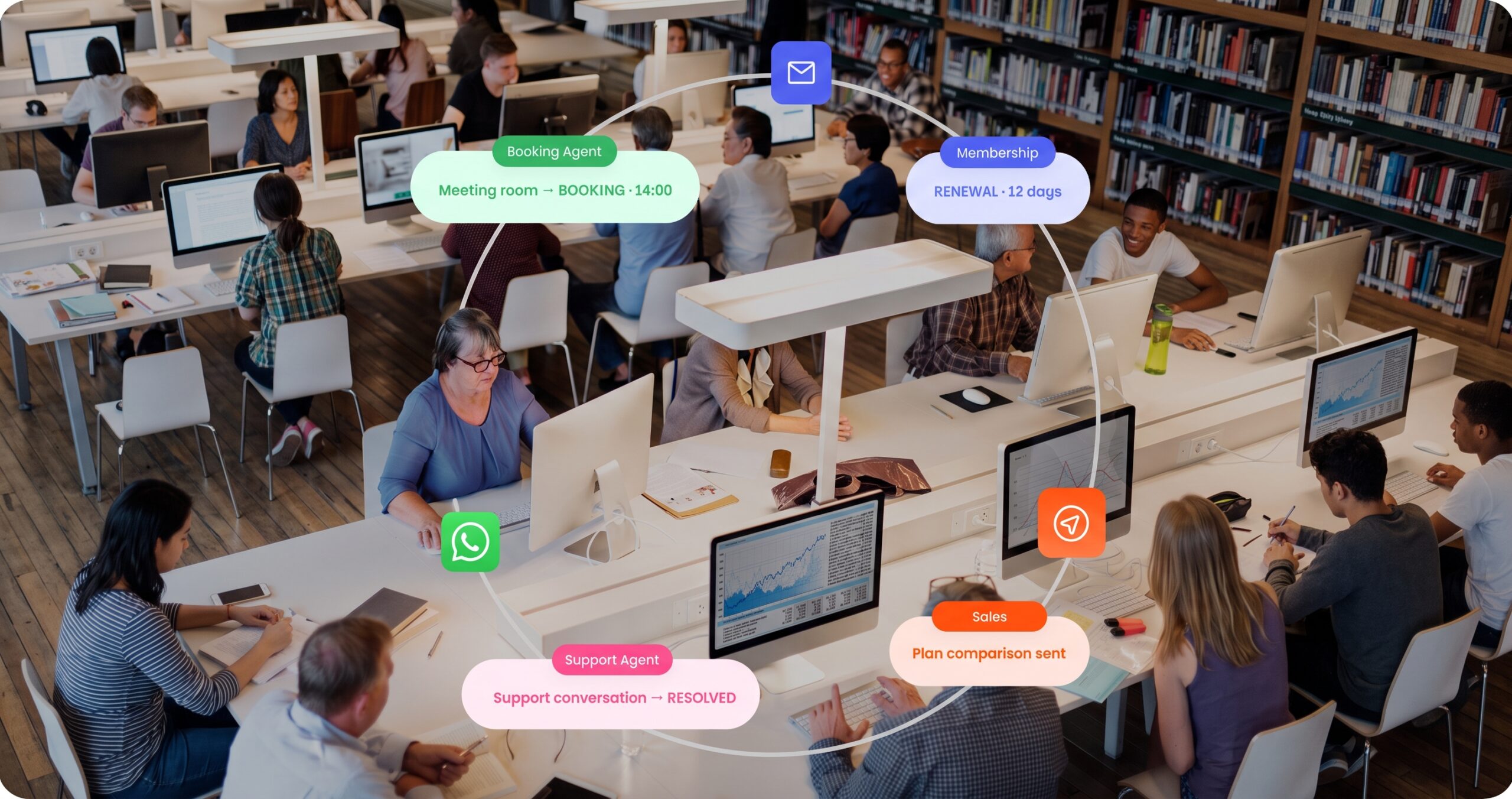
Nexudus has been developing AI and machine-learning capabilities across different parts of the platform, from forecasting resource demand and identifying retention risk to helping prospects and members find information and complete everyday tasks.
AI agents are extending that further.
Different agents can support different areas of the business, including sales, bookings, finance and member support. Because they work with information already held in Nexudus, they can understand more of the context around a workspace than a disconnected chatbot.
For an operator, that might mean helping a prospect compare membership options, answering a member’s booking question or identifying an invoice that needs attention.
The value comes from starting with a real task that is taking up your team’s time, rather than adding AI for the sake of it.

10. Manage virtual office services alongside your physical workspace
Virtual office services allow operators to sell services such as business addresses, mail handling and other support to customers who may not need a permanent desk or private office.
For operators, however, virtual offices create their own operational workload.
You need to manage customers, agreements, addresses, mail and other services while keeping an accurate record of who is using what.
Nexudus’ Virtual Offices functionality allows operators to manage virtual services alongside the rest of their coworking business rather than creating a completely separate process.
It also connects naturally with other parts of the platform. A virtual office customer may receive deliveries, book a meeting room or eventually move into a physical membership.
That makes virtual offices both an additional service and another possible entry point into your wider workspace offering.

Which Nexudus features matter most for your workspace?
There isn’t one combination of features that every coworking space needs.
A single-location community workspace will have different requirements from a multi-location operator managing thousands of members. A business built around private offices may prioritise team management and billing, while another operator might focus more heavily on events, meeting rooms or virtual services.
Start with the way your business operates today.
Where is your team spending time on repetitive work? Which processes still rely on spreadsheets or manual updates? Where does information have to be copied from one system to another? And what becomes difficult as your business grows?
Those questions can help you identify where software can make the biggest difference.
Nexudus brings these different parts of coworking operations together, while giving operators the flexibility to choose the tools and integrations that make sense for their business.
Want to know more about
how Nexudus could help your business?
We’re here to answer any questions you have.
Latest articles
-

- Coworking
- Technology
Nexudus Workflows Bring Deeper, Contextual Automation To Coworking Software
Emily Nguyen on November 18, 2026 -

- New Releases
- Technology
Nexudus Print makes coworking printing easy
Jane Robathan on November 9, 2026