


- Coworking Resources
- Technology
Coworking Software Checklist: How to Choose the Right Platform

If you landed on this post, it is very probable that you are managing your coworking space with a combination of spreadsheets and/or several tools to book meeting rooms, manage your contacts or process your invoices.
The first thing you need to ask yourself is: why would I need coworking management software? To be honest, the answer is simple: so the software can do work for you and you are freed up to spend your time doing valuable, non-repetitive things that are not easy to automate.
In essence, coworking software reduces your workload so you can focus on what really matters: how to make the best out of your business.
The challenge isn’t finding “the best” coworking software. It’s finding the software that best fits your operational model, your pricing structure, your members and the way you want your business to grow.
So, do I need coworking management software?
The first thing to consider is when it’s not necessary to have coworking software.
If your space is too small, you have plenty of time to do all your tasks and managing meeting rooms, invoicing and sign-ups represent only a small portion of your time, maybe investing in software to automate operations isn’t necessary as you might not see the return on investment straight away.
On the other hand, if you are honest with yourself and when you quantify the time you spend issuing members’ invoices, managing payments, counting how many copies you need to invoice or dealing with bookings, I have a suggestion for you: divide the cost of the software with the number of hours that you spend performing those tasks and compare that with your hourly rate for managing the space.
You should know now if your investment would be worthwhile.
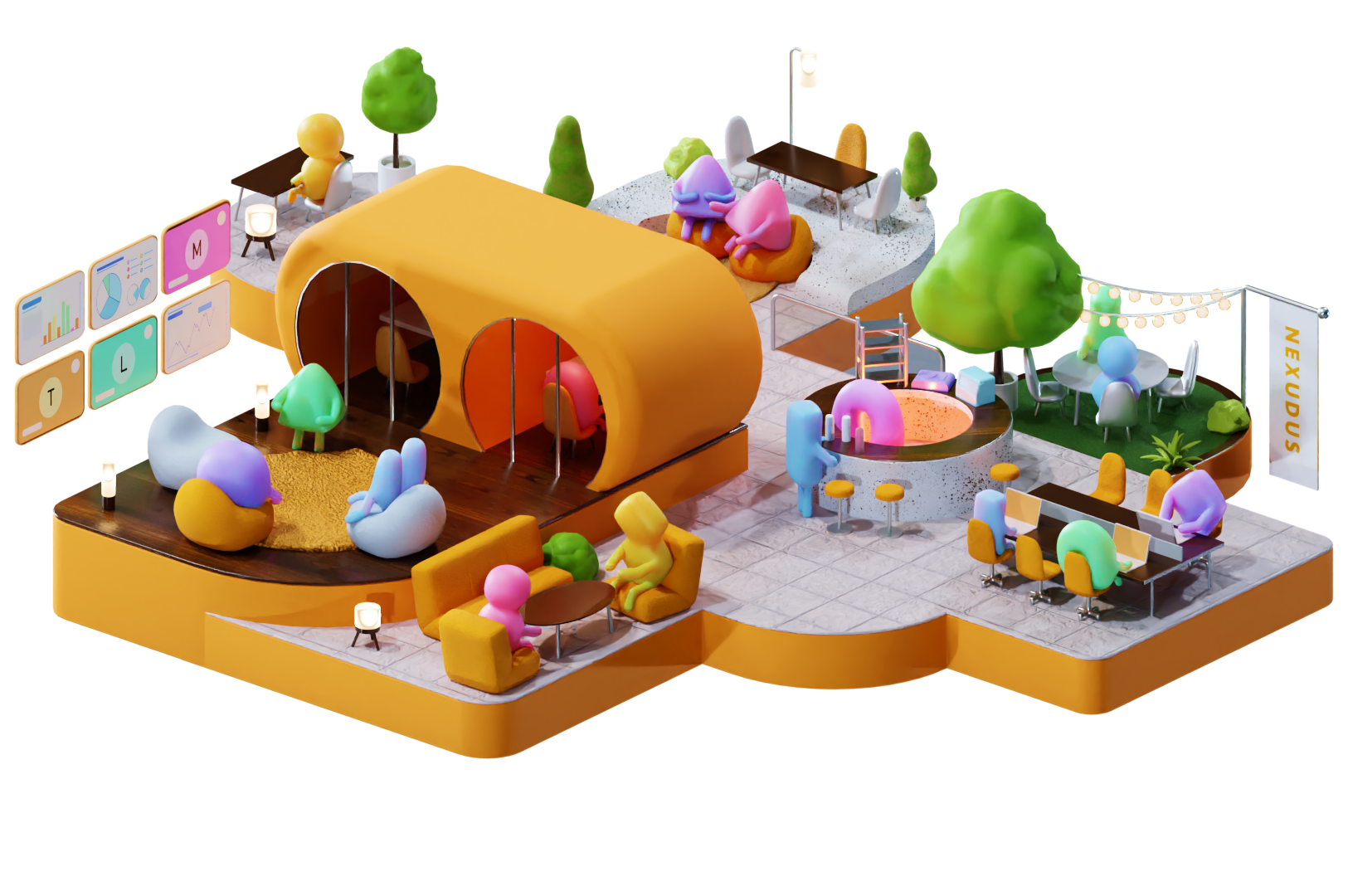

The perfect software? Or the perfect software for your needs
Once you’ve decided to go ahead with coworking management software, make sure you do a thorough evaluation of the different options. It’s definitely easier to choose the best option for you in the first instance to avoid spending time, resources and efforts in migrating to a different software later.
Analyse your prices, price structure and services and write them down!
My personal take on this is that you should try to be objective and understand how your space operates. I know, it’s your space and there is no one who knows it better than you, but sometimes it can be an eye-opener to take a step back and evaluate your model.
You can start by listing in a clear manner all the services you offer, what they cost to your clients, any discounts and when you offer them. It’s also interesting to list what your different resources and spaces are, how you make a profit out of them and you manage them.
- Do you want these to be bookable through your website without having to manually intervene?
- Are you happy for anyone to book these or are they only available to members?
- How do your price and discount policies work for members; are they based on the number of booked hours?
- Can customers buy packages or credits?
Implementing software comes with an evaluation of your processes and business model, and that’s always useful. Many operators discover operational gaps during this process, especially around onboarding, bookings, pricing rules and member permissions.


Build a checklist before you compare platforms
Once you’ve evaluated your services and your resources, you need to start researching coworking management software options to see which one meets most of your expectations.
Request a demo and ASK QUESTIONS!
Once you have narrowed down a list of software options, ask for a demo! The purpose of seeing a demo is to evaluate if the software is the right fit for you and see the potential of it: pay attention, take notes and don’t be shy; ask questions of the things they have not covered or need further explanation.
Don’t be afraid to ask anything that’s on your mind, If things are not clear enough or there are issues particular to your space that the provider hasn’t covered, then ask. Ideally, you should have a spreadsheet with all the requirements the software needs to meet to be a perfect match, so you can mark it up and make an informed decision on what’s the best fit for your needs.
This is where many operators rush the process. A software demo should not be treated like a sales presentation. It should be used to evaluate whether the platform genuinely supports your workflows, operational complexity and future plans.
There might not be a perfect software for everyone, but there is a perfect software for you; it’s a matter of finding your perfect match.
If you’re already narrowing down vendors, our coworking software comparison breaks down how different platforms approach operations, reporting, member experience and scalability.


Check the integrations available
Wouldn’t it be great if you could do everything using one software?
It wasn’t a good idea to have one ring to rule them all, and it is a principle that applies to other areas too. The trend in software is to have different tools connected and working together to make the most out of your main software.
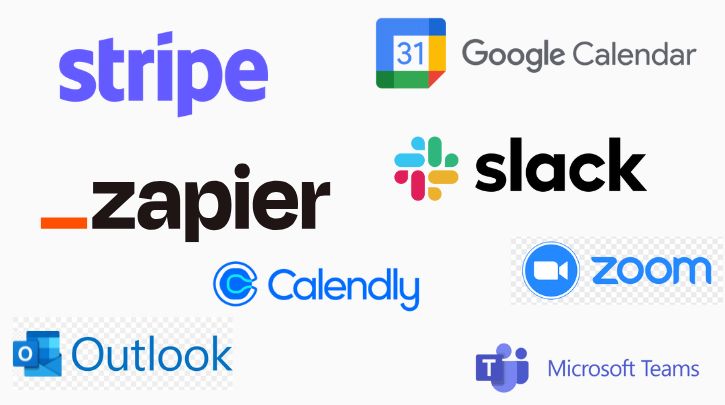
Ask yourself what processes you want to automate, what tools you still need to use; is there a native integration for this?
Having a great set of integrations mean that you will have access to knowing the specifics of a number of activities: how many copies are being printed by a member (so you can invoice them accordingly), allowing members to open doors – or not – depending on permissions, managing internet access, knowing who is in your space at all times, buying from the kiosk, invoicing in a timely manner – and anything that you can think of!
Check the integration pages and the level of the integration of each platform, and evaluate your options and your current tools to understand how your apps will talk to each other.
Today, integrations are no longer just “nice to have”. Operators increasingly rely on connected systems for:
- access control
- payments
- visitor management
- analytics
- communication
- room booking
- hybrid workplace operations

How much is this going to cost?
Most platforms charge per active member although there are some exceptions that would give you a fixed figure per location. Even if it looks like the pricing structure is similar, the subtle variations can make big differences. Do your maths, check your monthly costs and check with the providers that you are making the right assumptions.
I would suggest thinking not only about your space at this moment, but about your forecast and your growth. Choose a model that grows with you.
Some pricing structures work perfectly well for smaller spaces but become limiting as member numbers, locations or automation requirements increase. It’s worth evaluating pricing against where your business is heading, not just where it is today.
Remember to quantify the cost of your integrations. The integration itself might be included in your plan, but the third party might have additional costs and you should be aware of these too.
Estimate the cost per user, so you will know exactly what your earnings are per member.
Bear in mind that some platforms require additional devices, like the one that requires the installation of the printer’s software; sometimes access systems might require the installation of additional devices that connect doors with the centralised management system to be able to update permissions in real-time or enable them to open them remotely.
These services are usually not costly, but all these little extra costs can add up, so it’s always best to know.

Is it difficult to implement a coworking management system?
Implementing a software system might translate into additional resources – usually time and money. The best approach is to understand what you want to achieve with the software and if you are willing to accept some limitations to make the implementation easier, or if you prefer to have full flexibility and a more customised approach.
Implementation costs will depend on the size of your business, number of locations, number of members, in-house resources, etc. If you are big enough you might even consider the help of a consultant or a third party to take the faff out of it.
So as I said before, it is debatable whether there is a perfect software to manage coworking spaces, but far from discouraging you, I believe it’s one of the best investments that you can make for your business.
If after reading all this you decide you are happy to keep doing things the manual way, at least you have evaluated your services and analysed your business.I’d always recommend this exercise!
Implementation is often where operators realise how different platforms really are. Some prioritise speed and simplicity. Others prioritise flexibility, configuration and operational depth.

Ready to evaluate coworking software properly?
If you’re reviewing coworking software options, start by understanding how your business actually operates today — and how you want it to operate in the future.
The right platform should reduce operational workload, support your members and grow alongside your business.
If you’d like to compare how leading coworking platforms approach operations, reporting, automation and member experience, read our guide.


Want to know more about
how Nexudus could help your business?
We’re here to answer any questions you have.
Latest articles
-

- Coworking
- Coworking Resources
Just Been Promoted? Here’s the Coworking Performance Report Leadership Needs
Jane Robathan on August 18, 2026 -

- Coworking Resources
- Technology
Questions Your Knowledge Base Can’t Answer
Jane Robathan on August 13, 2026 -

- Coworking Resources
- Technology
SEO for coworking spaces: Easiest guide ever
Jane Robathan on August 11, 2026