


- Coworking
- Coworking Resources
How to Onboard Coworking Members (and Get Them to First Value Fast)

The coworking member onboarding process is often reduced to tours, welcome emails, and introductions to the workspace. That’s part of it, but it’s not the full picture.
In reality, onboarding new members has three layers:
- Experiential – introducing community, culture, and the welcome stage
- Informational – explaining how the space works
- Operational – enabling new members to make their first booking or visit quickly without friction
Most spaces focus heavily on the experiential and informational layers, but without the operational layer, members simply won’t engage with your coworking space.
In fact, the operational layer could be argued as the most crucial step for new members, determining how they’ll engage with a workspace (often before they know themselves). It gets someone from sign-up to their first successful action as quickly as possible – whether that’s making their first booking or visit to the workspace. Here’s how you can onboard coworking members to reach first value fast.
Where most coworking onboarding breaks
Say a new member signs up for a dedicated desk membership in your coworking space. They pay, and receive a confirmation email with their start date. Then what?
Unless they signed up while physically in the space, the next step might seem unclear to them, especially without a straightforward coworking member onboarding process. A completed transaction doesn’t automatically mean a new member knows how to book, access your space, or get started. The problem: payment isn’t activation.
When systems are disconnected across bookings, payment, access, and communication, the onboarding process begins to break down. Without a clear, connected onboarding flow, the following may happen:
- The next step isn’t obvious
- Booking a desk, a day pass, or an amenity feels confusing
- Delayed bookings happen, if at all (some members forget they’ve signed up)
- Frustration sets in
In some cases, a chaotic onboarding process requires manual intervention to keep things running. New members may start emailing your community managers questions, which takes their valuable time away from community building activities in your space. Or proactive community managers will reach out to invite your new member to the space.
However personal that welcome might seem, it isn’t scalable and confuses bookings. When your community manager takes time away from your workspace, there’s a knock-on effect for onboarding coworking members, causing inconsistencies in your operations.
Essentially, a manual onboarding flow creates friction, as new members feel unsure how to interact with your coworking space in the first place. But at the core of everything is the same issue: onboarding isn’t being treated as a system.


What onboarding actually needs to do
Early clarity goes a long way to reduce friction, helping new members integrate quickly and confidently into the community from day one. But good onboarding isn’t about information overload. While sharing an onboarding guide, tour video, or access details can be useful, giving new members too much information and not enough direction at the very beginning may cause overwhelm, causing them to stall on taking action.
What operational onboarding actually needs is direction for new members to make their first booking – whether that’s booking a desk, a day pass, or an amenity, such as a meeting room. Show them exactly what to do next and make it easy to complete. Automating processes not only simplifies action, but it also reduces the need for new members to contact your team.
Achieving a smooth onboarding process improves everything else – member usage, customer satisfaction, retention, and your team’s workload. Sarah Travers, CEO at Workbar, urges coworking operators to think about the first 90 days as the “welcome phase.” It’s like a probation period in coworking; if someone keeps their membership past three months, then the likelihood of them staying for over 18 months increases by 75%.

The onboarding flow that works
The key moments shouldn’t rely on staff; they should be automated with a connected setup across your portal, bookings, and payments.
If it’s still confusing to imagine what an efficient operational onboarding process looks like, here’s a simple and effective flow to try:
1. Signup or purchase happens instantly
This is your new member’s starting point in the onboarding flow. When payment goes through, send a welcome message that lands in their inbox. Regardless of how they signed up, it’s much easier to send all new members the same onboarding email with confirmation, next steps, and an explanation of how things work in your space.
2. Give member immediate access to their portal
This gives new members everything they need to take action in your space.
3. Guide member to a clear first action (usually booking)
Prioritise guiding members to take their first clear action – either making a booking or planning a visit to your workspace. This equals instant value on both sides.
4. Complete action in minutes, not hours
The faster your new member can book your workspace, the more satisfied they’ll be. Forget the back and forth between members and community teams (causing additional stress for members and admin for your team), making booking and payments happen without manual intervention makes everyone’s lives easier.
5. Member returns and repeat within the first few days
When the onboarding experience is that easy, it makes sense to go again. Follow-up actions are triggered automatically, and members feel empowered to control their own coworking experiences and can rebook without any external support.
Connecting your portal, bookings, and payments reduces extra effort for your team. That’s what turns onboarding from a task into a repeatable process.
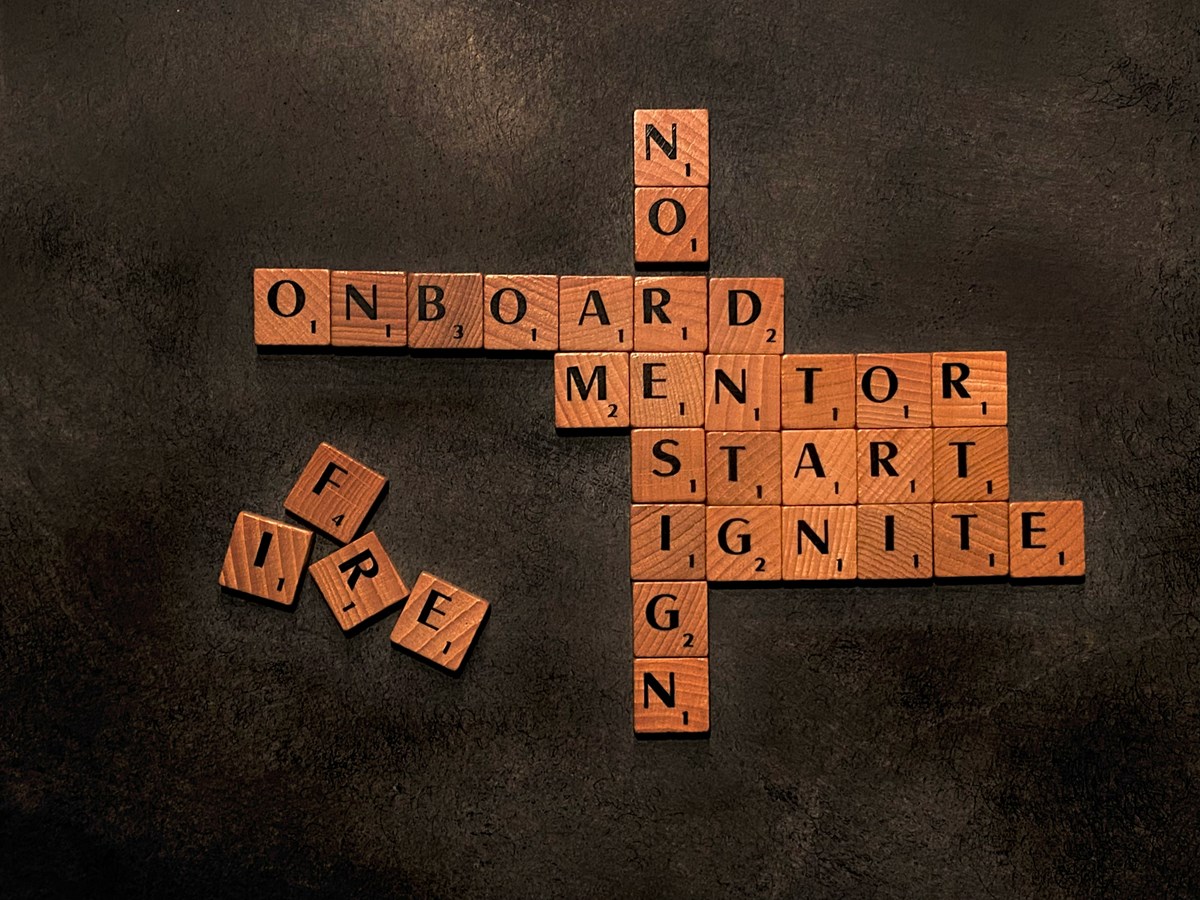
Onboarding processes and tools
A strong onboarding flow moves members from sign-up to their first booking quickly, then makes it easy to return and repeat. A clear operational onboarding experience is only half the solution, as it also needs to run without any manual intervention, giving all members the same consistent experience every time.
Tools, like your member portal and booking flows, come in handy, not as features, but as ways to make the process consistent and scalable. Here are two key tools to use:
Member portal
This is where a new member moves from signing up to feeling in control of their coworking experience. Coworkers use the member portal to book desks or meeting spaces, manage their account and access services. More importantly, a member portal removes the need to rely on team members, reducing the operational administrative burden.
Smart member portals also speed up rebooking, so coworkers can book frequently used services faster. A member portal becomes the onboarding environment, not just a feature.
NexCommerce
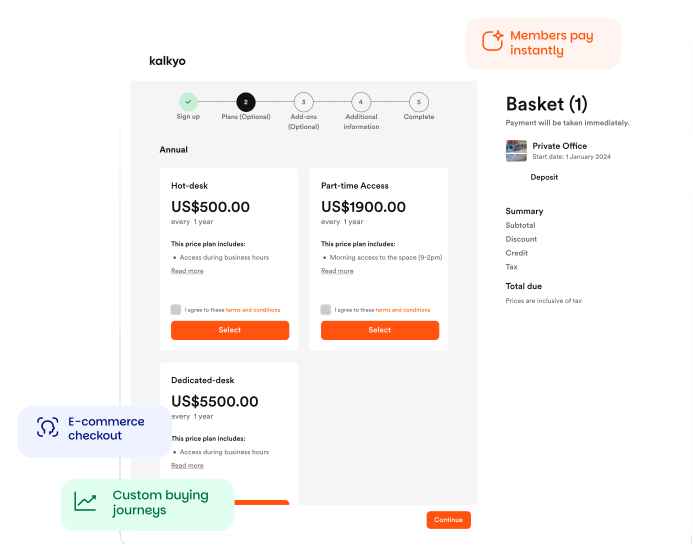
Some coworkers interact with workspaces on a more ad-hoc basis, booking the odd day pass or meeting room. Bringing together purchase, booking and access, NexCommerce enables members to sign up and immediately take the next step, from buying a membership to booking a desk, following whichever flow they need.
The guest checkout feature allows non-members to book your services without creating an account. Coworkers can pay upfront at the time of booking, rather than waiting for an invoice to be created, giving them booking confirmation on the spot, which gets you paid faster. Access shouldn’t be something a team member has to send or explain; it should already be there, with booking, account details, and next steps in one place.

The 30-second onboarding check
Coworking operators can frequently get stuck in the mud of running a coworking space, leading to processes breaking without you even realising. This can happen when systems have been the same for years, but they no longer fit current needs, especially when operators still rely on manual processes.
To quickly assess your onboarding journey, here are a few points to consider:
- Can a new member complete their first booking in under 2 minutes?
- Do they know exactly what to do after payment?
- Can they access everything without contacting staff?
- Is their first visit frictionless?
- Are they prompted to take a second action within a few days?
If the answer to any of these is ‘no,’ your onboarding process has broken somewhere.
Not only can you go through these questions yourself, but chat with your team and community members so you’re not leaving things to guesswork. For example, a community manager might inform you that, actually, new members have been emailing them with the same frequently asked questions, or a community member felt unsure what to do after making their first payment. Trust their instinct, after all, your community is on the ground.
Identifying where your onboarding has broken is the first step. Fixing it involves implementing a system that consistently guides every member to their first action, without friction or delay.
How to spot risks early
You don’t need to wait months to find out that your onboarding process isn’t working. The earliest signs show up in the first few days.
Within an initial 7 – 10 day period, look out for:
- A lack of bookings or visits.
- No interaction with the member portal
- Questions asked about repeated tasks
- Delays between sign-up and first action
These are signals that a new member hasn’t started.
In the first 30 days, look for the following patterns:
- One-time usage with no return
- Low engagement with bookings or services
- Continued reliance on staff for simple actions
At this point, onboarding hasn’t failed completely, but it hasn’t created habits either.
Beyond 1–3 months, this turns into measurable churn risk. Use reporting tools, like the Nexudus engagement and churn dashboards, to view:
- Declining usage patterns
- Inactive members
- Accounts at risk of cancellation
But by then, the underlying issue usually started much earlier.
Tracking churn is useful, but reporting tools can also help you catch risk before behaviour settles, when small changes to onboarding, booking flows, or access still make a difference.

Summary
Onboarding new members isn’t just a welcome step; it’s what gets a new member up and running. If that process doesn’t lead quickly to a first booking or visit, everything else becomes harder, from day-to-day operations to long-term retention. The faster someone starts using your space, the more likely they are to stick around, but that all depends on how well your systems work together behind the scenes.

Want to know more about
how Nexudus could help your business?
We’re here to answer any questions you have.
Latest articles
-

- Coworking
- Technology
Nexudus AI Agents: The Different Types and What They Do
Emily Nguyen on October 12, 2026 -

- Coworking
- Coworking Resources
Practical AI Lessons for Coworking Operators from GWA Denver 2026
Damian on October 1, 2026 -

- Coworking
- Coworking News
- Technology
AI didn’t add a feature to coworking software. It’s rewriting what the product is.
Jane Robathan on September 30, 2026