


- Coworking
- Technology
A Consistent Experience Across Every Location Starts With the Right System
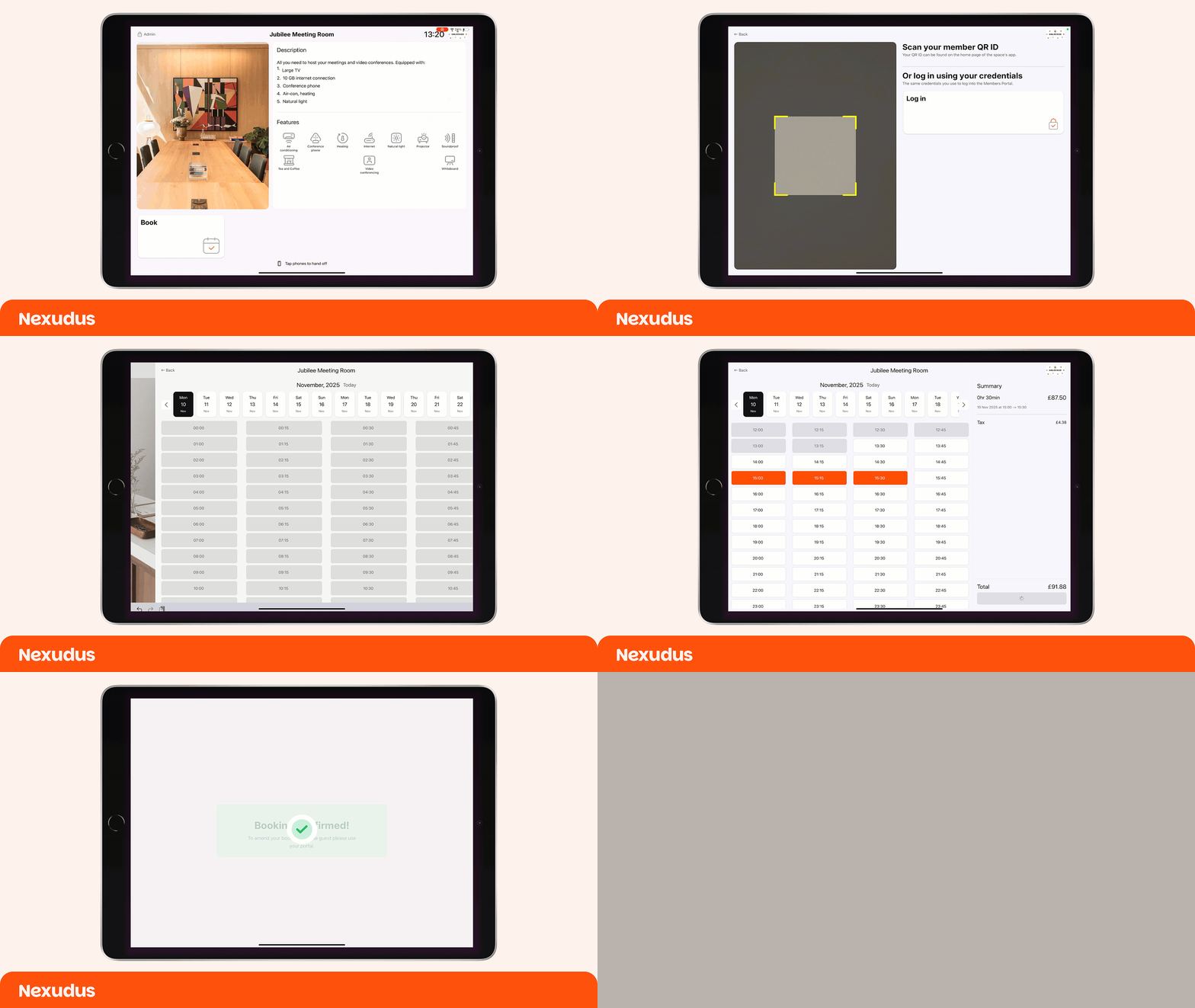
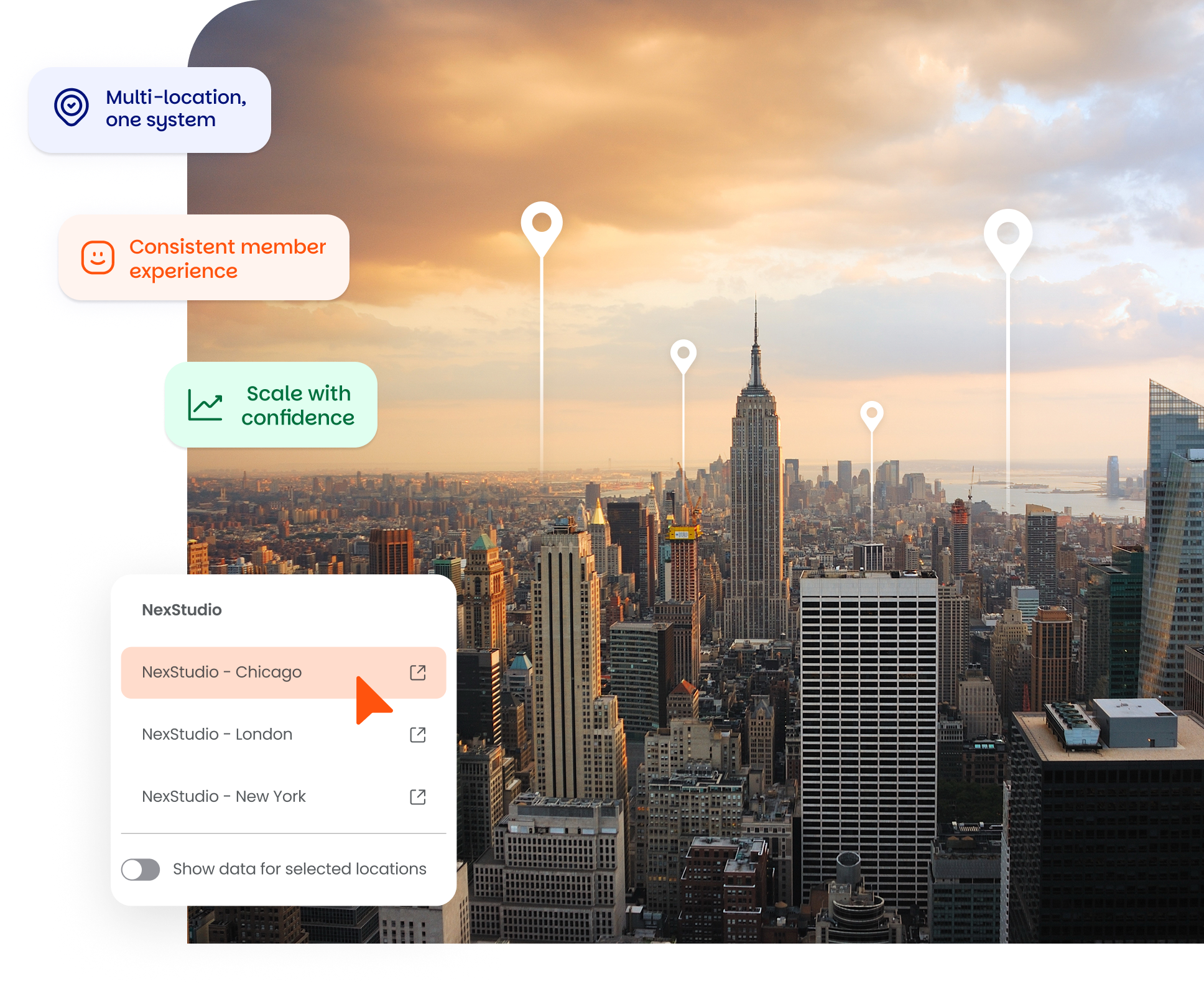
For multi-site operators, consistency is one of the hardest things to scale. As portfolios grow, workflows diverge, signage evolves independently, and member experiences start to vary from building to building. This is where coworking software for multi-location operators becomes critical.
The redesigned NexBoard addresses this challenge directly. By acting as a shared, real-time interface across every location, it ensures members understand how to navigate any workspace instantly, whether they are at their home site or visiting another.
For operators, this clarity reduces support overhead, simplifies onboarding, and helps standardise member experience across coworking locations without adding operational burden.
Hidden cost of inconsistencies
For multi-site coworking operators, consistency is one of the hardest things to scale. As portfolios grow, workflows diverge, signage evolves independently, and member experiences start to vary from building to building.
This article isn’t about choosing coworking software in general. It focuses on a very specific problem multi-location operators face: how members understand and navigate a space once they’re on site.
That’s where coworking software for multi-location operators plays a different role. Not as a back-office system, but as shared infrastructure that shapes the physical experience from room visibility to wayfinding and real-time status.
The redesigned NexBoard addresses this challenge by acting as a single, predictable interface across every location. Whether a member walks into their home workspace or visits another site, they immediately understand what’s available, what’s in use, and what to do next. For operators, that clarity reduces support load, simplifies onboarding, and helps standardise the member experience across locations without adding operational complexity.


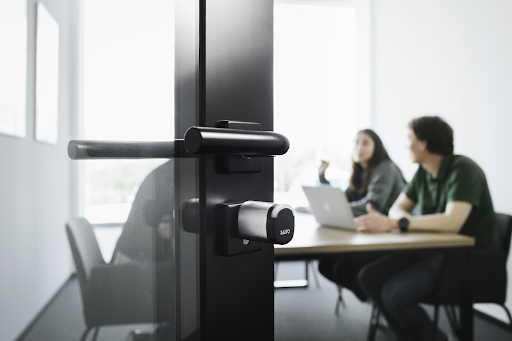
Why we redesigned NexBoard for multi-site operators
Multi-site operators face a different set of challenges than single-location spaces, particularly as growth introduces operational friction. The NexBoard redesign is built with these realities in mind.
Legacy setups often relied on location-specific configurations that drifted over time. Visual standards varied. Wayfinding cues were inconsistent. Booking visibility depended on how each site had been configured historically. These differences created confusion for members and complexity for staff.
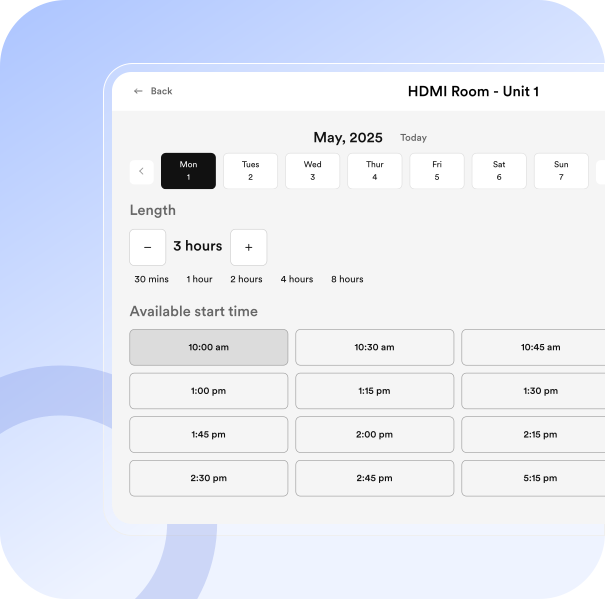
The new NexBoard establishes a shared visual language and predictable interaction patterns across all locations. Room status, availability, and next actions are communicated using the same cues everywhere. Members don’t need to relearn how a space works just because they’re in a different building.
NexBoard is powered by real-time data which means changes made centrally are reflected instantly across the portfolio, preventing the kind of location-specific mismatches that lead to booking conflicts or outdated information. In practice, NexBoard becomes the shared reference point for room availability and on-site information.
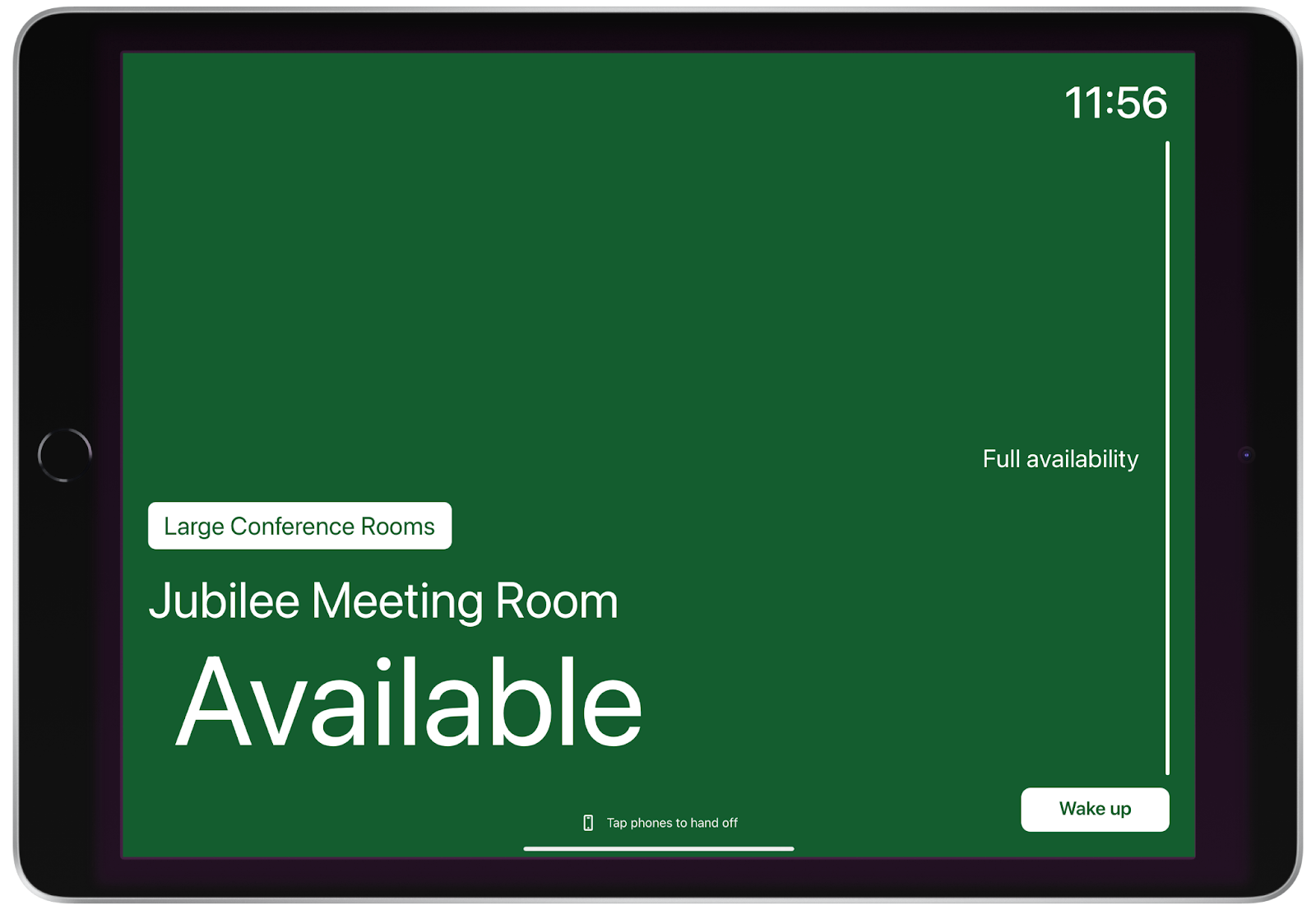
A familiar interface at every location
When members encounter the same interface everywhere, friction drops immediately. They know where to look, what actions are available, and how the system behaves. That predictability reduces questions before they’re even asked.
A shared UI lowers cognitive load. Members move through the space more confidently, from checking room availability to understanding booking rules. Visiting members don’t feel like outsiders navigating an unfamiliar system, they feel at ease.
This consistency benefits internal teams just as much. Staff onboarding is faster because workflows don’t change from site to site. Training materials stay relevant longer. Support teams deal with fewer edge cases because the experience is standardised by design.
Over time, this predictability compounds. The more locations you add, the more valuable a shared interface becomes, not as a feature, but as operational infrastructure.
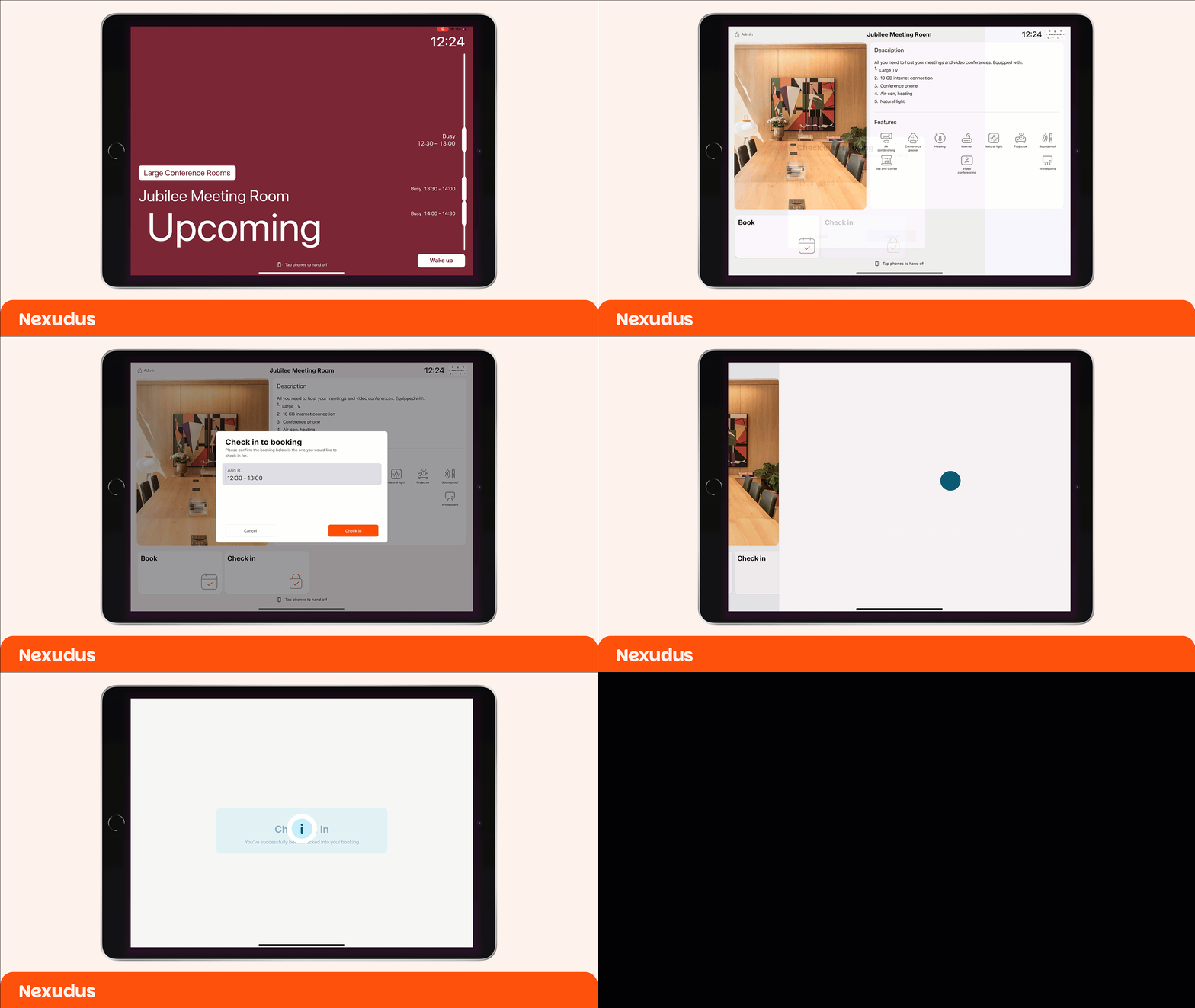
Operational benefits for multi-site teams
1. Operational alignment without constant oversight
As coworking portfolios grow, operational complexity often scales faster than headcount. Without consistent systems in place, small differences between locations turn into ongoing coordination work for central teams. A shared interface reduces the need for constant oversight by ensuring that room status, availability, and on-site information are presented consistently across every building.
2. Simpler SOPs
Consistency makes standard operating procedures easier to define and maintain. Instead of documenting exceptions and location-specific variations, operators can build SOPs around a single, predictable setup. This becomes especially valuable as teams change, new locations open, or responsibilities shift between central and local staff.
3. A stronger, more professional brand signal
Operational consistency also affects how the brand is perceived. When members move between locations and encounter the same systems and cues, it reinforces trust. For enterprise clients and partners, it signals that the organisation is structured, reliable, and able to operate at scale.
4. Faster rollouts across the entire portfolio
Perhaps the most practical benefit is speed. When rules, messaging, or display logic can be updated centrally, operators avoid slow, error-prone rollouts done site by site. Changes can be introduced quickly and confidently, without creating new inconsistencies as the portfolio grows.
Consistency as an operational advantage
For multi-site coworking operators, consistency is what enables predictability. When booking information, room status, and on-site displays follow the same logic across locations, teams can operate with far less friction. Predictable systems reduce day-to-day interruptions and make it easier to maintain operational standards as portfolios grow.
NexBoard helps create a predictable experience across your portfolio, but it’s only one part of the wider platform decision. If you’re reviewing tools or comparing options to support long-term growth, it’s worth looking at how the major coworking software systems stack up on scalability, automation, and overall cost.
Want to know more about
how Nexudus could help your business?
We’re here to answer any questions you have.
Latest articles
-

- Coworking
- Coworking Resources
Just Been Promoted? Here’s the Coworking Performance Report Leadership Needs
Jane Robathan on August 18, 2026 -

- Coworking Resources
- Technology
Questions Your Knowledge Base Can’t Answer
Jane Robathan on August 13, 2026 -

- Coworking Resources
- Technology
SEO for coworking spaces: Easiest guide ever
Jane Robathan on August 11, 2026