


- Coworking
- Technology
What Is White Label Coworking Software? A Guide for Workspace Operators
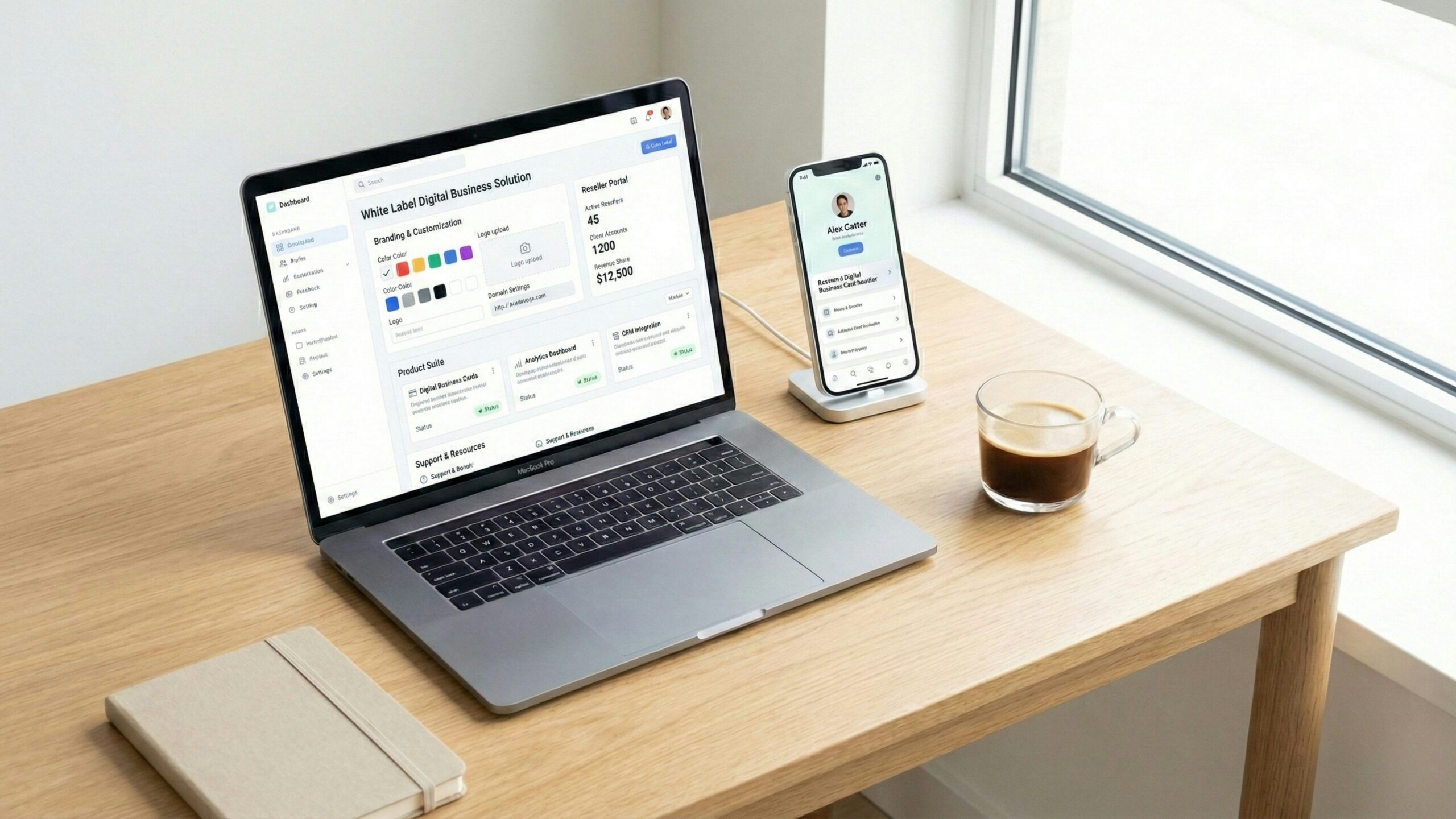
Today’s members interact with your workspace through digital touchpoints as much as physical ones. Booking a desk, reserving a meeting room, managing a membership, paying an invoice — these moments happen on a screen long before or after anyone walks through the door. Whatever software powers those moments becomes an extension of your brand, whether you’ve planned for that or not.
White label coworking software offers a way to build that branded experience without developing an app or platform from scratch. This guide breaks down what it actually means, why it matters, and how to think about it when evaluating your options.
Why does white labelling matter for coworking spaces?
Branding a digital product isn’t a cosmetic exercise — it shapes how members perceive and trust the space they’re paying to be part of.
Brand recognition: Every login screen, notification, and booking confirmation is a chance to reinforce your identity. A generic, unbranded interface does the opposite.
Professionalism: Members increasingly expect the same polish from a workspace’s digital tools as they get from any consumer app. A white labelled experience signals that your space is run with the same care as your physical facilities.
Member trust: An app that clearly belongs to your workspace feels more secure and intentional than one that looks like it was borrowed from somewhere else. Trust in the platform translates into trust in the operator behind it.
Consistency across every interaction: Whether a member is booking a meeting room from their phone or checking an invoice on desktop, a consistent look and feel makes the experience feel considered rather than cobbled together.
Differentiation: In a competitive coworking market, the small details such as a branded app and a seamless portal, can be what separates a professional operation from one that feels improvised.


What does white label coworking software include?
White labelling isn’t just about swapping in a new logo. Done properly, it extends across every digital touchpoint a member has with your space:
- Branded member app: the primary way members book, pay, and manage their membership on the go
- Branded member portal: the web-based equivalent, often used for account management and admin tasks
- Booking experience: desk, meeting room, and resource reservations that feel native to your brand
- Payments: invoicing and checkout flows that don’t suddenly introduce a third-party name
- Notifications: emails, push alerts, and reminders sent from and styled as your workspace
- Community features: member directories, messaging, or event listings that reinforce a sense of belonging to your specific space
The goal is that members experience one cohesive brand, regardless of which touchpoint they’re using or which device they’re on. They shouldn’t have to think about the fact that a technology provider sits behind any of it.
White label software vs custom-built apps
Operators evaluating their options are usually weighing two paths: adopt a white label solution, or build something custom.
White label software typically means:
- Faster deployment: the platform already exists, so branding and launch take weeks, not months
- Lower cost: no need to fund a development team or ongoing engineering resources
- Ongoing updates: improvements and new features roll out automatically, maintained by the provider
- Proven functionality: the platform has already been tested and refined across many operators
Custom-built software typically means:
- Higher development costs, often significant upfront investment
- Longer implementation timelines before anything is member-ready
- Ongoing maintenance that falls on your team or a hired agency
- Greater internal resource requirements to keep the product running and current
Neither path is inherently right or wrong — it depends on your scale, budget, and appetite for managing technology in-house. But for most coworking operators, the calculation tends to favour white label: the branding benefits are largely the same, without the overhead of building and maintaining a bespoke platform indefinitely.


How Nexudus helps operators deliver a branded member experience
Nexudus is itself a white label platform — branding extends across the whole member experience, not just one app. Every account comes with a white label member portal by default, so desktop bookings, payments, and account management already carry the workspace’s own logo and domain.
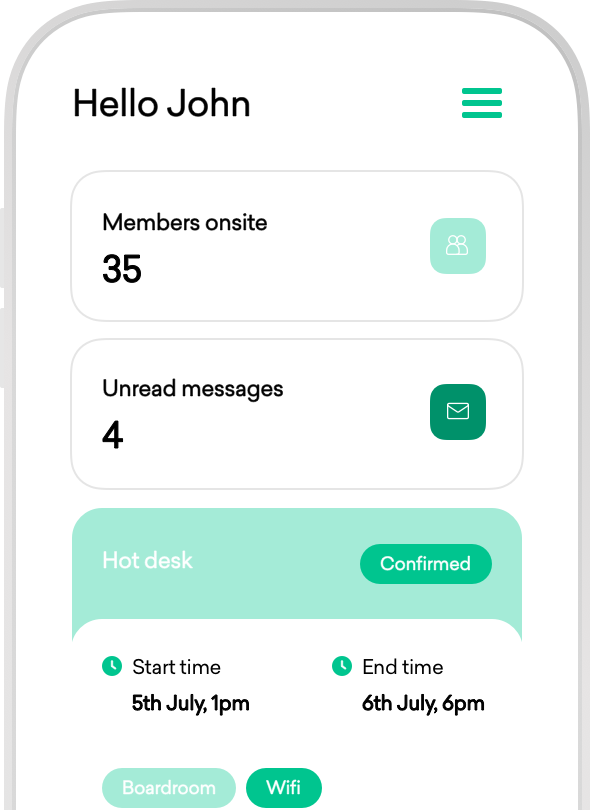
On mobile, operators can go further with the white label version of Passport, which gets its own app store listing with all Nexudus branding replaced. For spaces with integrated access control, it also lets members unlock doors directly from the app.
Because the platform is centrally maintained, operators get new functionality automatically, without any ongoing development work of their own — a faster, lower-effort path to a fully branded experience than building something custom.

The bottom line
White label coworking software allows operators to create a professional, branded digital experience without the cost and complexity of building their own platform. As member expectations continue to evolve, delivering a consistent brand experience across every touchpoint — from the first login to the last invoice is becoming less of a nice-to-have and more of a genuine competitive advantage.

Want to know more about
how Nexudus could help your business?
We’re here to answer any questions you have.
Latest articles
-

- Coworking
- Coworking Resources
Practical AI Lessons for Coworking Operators from GWA Denver 2026
Damian on October 1, 2026 -

- Coworking
- Coworking News
- Technology
AI didn’t add a feature to coworking software. It’s rewriting what the product is.
Jane Robathan on September 30, 2026 -

- Coworking
Advanced Coworking Analytics: When Standard Reports Fall Short
Emily Nguyen on September 15, 2026