


- Community
- Coworking
- Coworking Resources
- Uncategorized
The Hidden Utilisation Problem Affecting Most Coworking Spaces – And How to Fix It

In the coworking world, “busy” does not always mean “efficient.” Many operators track occupancy, but very few have a clear handle on coworking space utilisation – how often their rooms, desks, and shared areas actually get used. This gap creates costly inefficiencies, missed revenue, and underperforming square metres.
If you’ve been searching for how to utilise office space more effectively or want ideas for utilising excess office space, this guide breaks down the utilisation problems most coworking operators don’t realise they have and how to fix them.
Why utilisation matters more than occupancy in coworking
Occupancy tells you how many people are paying for your space.
Utilisation tells you how your space is actually being used.
In coworking, that difference is critical.
A space can be 90% occupied yet still have meeting rooms that sit empty, breakout areas that bottleneck, or private offices that never reach their potential. Occupancy shows financial commitment but utilisation reveals operational performance.
Utilisation gives coworking operators insight into:
- Which rooms earn their keep and which quietly drain revenue
- Where demand exceeds supply, especially for small meeting rooms
- Which areas sit idle, even during peak hours
- How members actually move and work throughout the day
- Where to repurpose or resize rooms to increase return per square metre
Where occupancy shows you “we’re full,” utilisation shows you whether your space is performing at its best and where opportunities are hiding.
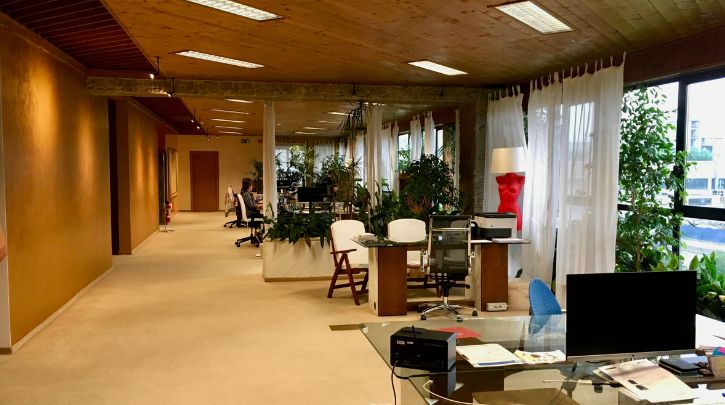


The 3 biggest underutilisation patterns in coworking spaces
1. Larger rooms that don’t earn their space
Big meeting rooms often look impressive but they’re among the most underutilised assets in coworking. If a 10-person room is only booked for 2–4 people most of the time, you’re losing potential revenue every day.
2. High-demand small rooms that are always fully booked
Small rooms (2–4 people) consistently show the highest utilisation. When you don’t have enough of them, members experience friction and operators miss out on bookings because demand outpaces supply.
3. Shared spaces that aren’t tracked
Lounges, phone booths, collaboration zones, and kitchens are core to the coworking member experience, yet most operators don’t track how they’re used. Without proper office space utilisation software, these areas are often mis-sized or under-optimised.
These insights are crucial for adjusting layout, improving comfort, and maximising usage during peak hours.

How to repurpose underperforming rooms
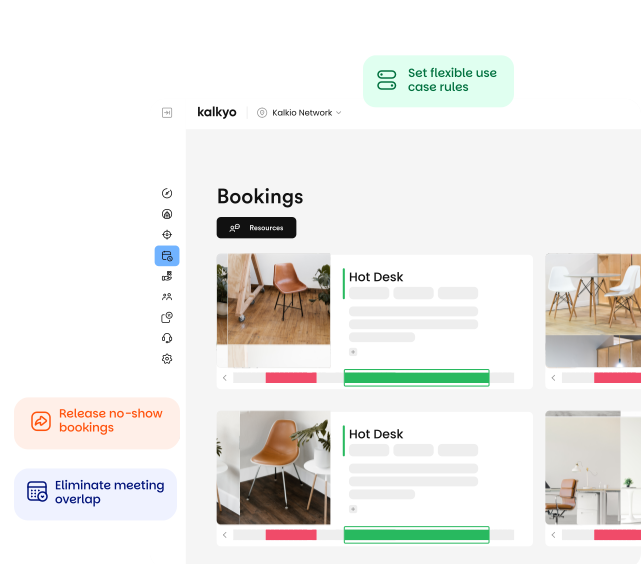
When certain rooms in your coworking space aren’t used often enough, it doesn’t always mean you need more members – it usually means the room isn’t meeting real demand. Repurposing underperforming rooms is one of the fastest ways to improve office space utilisation without expanding your footprint.
Here are practical ways to realign your space with member behaviour:
- Split oversized meeting rooms into two or more small rooms, which are almost always in higher demand.
- Convert low-usage private offices into dedicated desks, hot-desking zones, focus rooms or day offices where utilisation is more consistent.
- Convert rarely used training rooms or event spaces into multi-purpose or bookable collaboration areas.
- Turn quiet, low-traffic corners into focus pods or additional phone booths.
- Reconfigure boardrooms into flexible spaces that support workshops, team huddles, and hybrid collaboration.
These changes don’t require major renovations – just a willingness to reshape rooms based on how people actually use your coworking space day-to-day.


The impact of wrong-size meeting rooms on revenue
Meeting rooms only generate strong revenue when their size matches what people actually need. When they don’t, two things happen: rooms earn less than they should, and bookings quietly slip away.
Here’s why the wrong room sizes cost coworking spaces money:
1. Rooms that are too big underperform
A 10-person room booked by 2 people might look “used,” but it’s not earning what it could.
Large rooms are expensive to fit out and when they’re used for small meetings, you lose the higher-value bookings they were designed for.
2. Rooms that are too small create bottlenecks
If your space lacks medium or large rooms, bigger teams have nowhere to go.
They look elsewhere, and those missed bookings never show up in your reports – but they impact revenue all the same.
3. Mismatched layouts reduce usability
A room that only works for formal meetings has limited demand.
However, a flexible layout (modular furniture, soft seating, hybrids setups) increases how many people can use it and how often it gets booked.
4. Member frustration grows when room sizes don’t align with demand
You end up with small rooms fully booked and large rooms sitting half-empty. That imbalance affects member experience and financial performance.
How the Coworking Compass Report scores and benchmarks utilisation
The Coworking Compass Report was built by Nexudus to give operators something they’ve never really had before: a simple, data-backed way to see how well their space is performing compared to others in the industry.
Instead of relying on guesswork, the Compass Report uses global coworking data to analyse how effectively your space is being used and then benchmarks your utilisation against similar, top-performing coworking spaces.
Operators who complete the assessment gain insight into:
- Gaps in space and resource utilisation – identify underused rooms or inefficient layouts.
- Strengths and weaknesses in your operations – see what’s working well (and what isn’t) across your space.
- Strategic action items – receive tailored suggestions depending on whether your space is still building, growing, or already mature.
- Operational priorities across four key pillars – utilisation, revenue, automation, and pricing.
- Benchmarking against global data – compare your performance to millions of bookings from over 90 countries to see how your space stacks up.

Want to know more about
how Nexudus could help your business?
We’re here to answer any questions you have.
Latest articles
-

- Coworking
- Coworking Resources
How to Monetise Every Part of Your Coworking Space
Kate Tattersfield on April 1, 2026 -

- Coworking
- Coworking Resources
Coworking Self-Service vs Staff Dependency: How the Member Experience Really Scales
Kate Tattersfield on March 30, 2026 -

- Coworking
- Coworking Resources
- Hybrid work
How to Launch Fractional Offices in Your Coworking Space
Kate Tattersfield on March 25, 2026