


- Coworking
- Hospitality
- Hybrid work
The Modern Coworking Experience: How to Design It Beyond Desks and Decor

In the coworking industry, everyone talks about “experience,” yet few can define it. Is it the furniture? The community events? The amenities? The truth is, the coworking experience is all of these and yet none of them in isolation.
But it also goes much deeper than this – coworking experience is a carefully orchestrated ecosystem made up of behaviours, environments, interactions, and digital touchpoints.
You haven’t thought about coworking experience like this before: coworking space design is more than what your members can see or touch. It’s how they feel, move, and engage with your workspace. Done well, it’s a competitive differentiator, so discreet that you may not even consider it an experience at all. Let’s get into it.
What is the coworking experience?
Now considered the main differentiator in coworking, we know that experience isn’t achieved by spatial design. Instead, ‘designed systems’ are interconnected processes, touchpoints, and behaviours shaping how members experience a space.
Gensler’s Global Workplace Survey defines workplace experience as “intentional, aligned, and purpose-driven,” but it found that only 38% of workers felt their workplaces delivered on experience. Coworking experience manifests itself in:
Arrival moments matter
From first arrival to everyday interactions, members should feel recognised, welcomed, supported, and part of something. Forming relationships with members is key, rather than making interactions seem transactional.
Turning to sound levels
34% of workers choose their workstations based on acoustic privacy. Great acoustics create calm and a conducive spot for productivity. Meanwhile, poor acoustics can grate on the member experience.
Workable furniture
While sofas and bench seating have become popular workspace design trends, they’re not functional for long-term use and cause discomfort for coworkers. Many workplace users look for spaces with ergonomic desks and high-quality workstations.
Smooth access
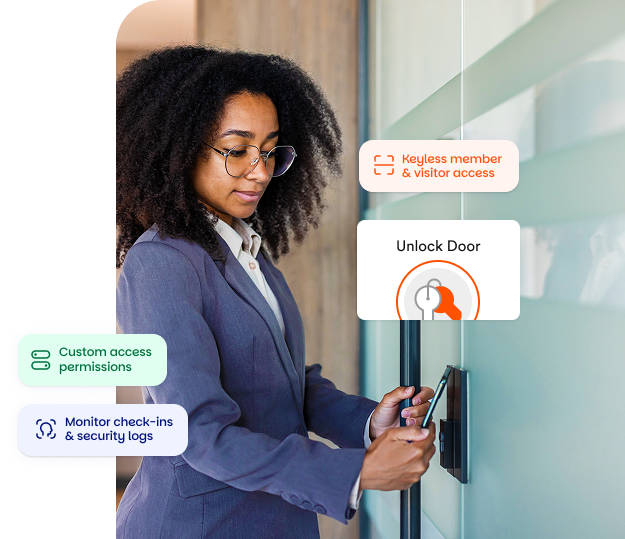
As coworkers move through the space, the coworking experience should be as frictionless as possible. While rules must be in place for security reasons, this can be achieved subtly through digital touchpoints that quietly inform coworkers of their access rights.
Digital onboarding
A well-designed onboarding flow should make the first week feel intuitive, not like downloading another app.
As Steve Jobs said, “Design isn’t just what it looks like and feels like. Design is how it works.” It’s the same in coworking. Aesthetics are a nice-to-have, but what really helps to retain members is the experience.



Why the coworking experience matters for growth
Experience begins from the very moment someone gets in touch with your space. From there, retention and satisfaction hinge on how people feel in your space. Good experience leads to the following benefits.
Membership conversions
Sarah Travers, CEO at Workbar, refers to a member’s first 90 days as the “welcome phase” – a crucial time to deliver exceptional experience. Her data finds that keeping people past their first 90 days increases the chances of them staying for over 18 months by 75%. First impressions really count.
Meeting room sales
Members book meeting rooms based on the quality of the experience, with factors including comfort, acoustics, and AV technology taken into account. Good experience drives higher utilisation, which translates into revenue growth. With 91% of operators anticipating that meeting room demand will continue to increase, experience is everything.
Reviews
Acting like social proof, reviews signal trust and reliability to prospective members, helping people judge the quality of a space before visiting. Positive reviews not only influence decision-making but also amplify the impact of a great experience, turning happy members into visible advocates.
Referrals
Word-of-mouth recommendations come directly from members with positive experiences. Those who feel supported, comfortable, and engaged are more likely to recommend a space to others.
Corporate agreements
As the workplace continues to evolve, corporations are embracing the benefits of coworking by taking up more flexible workspace leases and outsourcing experience to an operator. In 2020, 86% of US firms were embracing flex as part of their long-term strategy.
Experience is not only important for retaining members, but a fantastic workspace can also increase the price of services. The Instant Group found that high-quality premium spaces were seeing price increases, while affordable workspaces were seeing more vacancies and reducing their prices to boost revenue.
Operators who respect experience also typically outperform those who focus solely on aesthetics. As Mara Hauser, founder of 25N Coworking, says: “Properties with well-designed and properly amenitised spaces provide the highest activity in the space, desired occupancy and the maximum return on investment.”
Design principles for a better coworking experience
Gone are the days of white-walled cubicles and corporate sameness. Long before offices embraced lounges, wellness zones, and social nooks, coworking operators were already experimenting with more relaxed, playful, community-centred environments. It’s no wonder that more firms are looking to flex.
Let’s go over some standout considerations.
Zoning
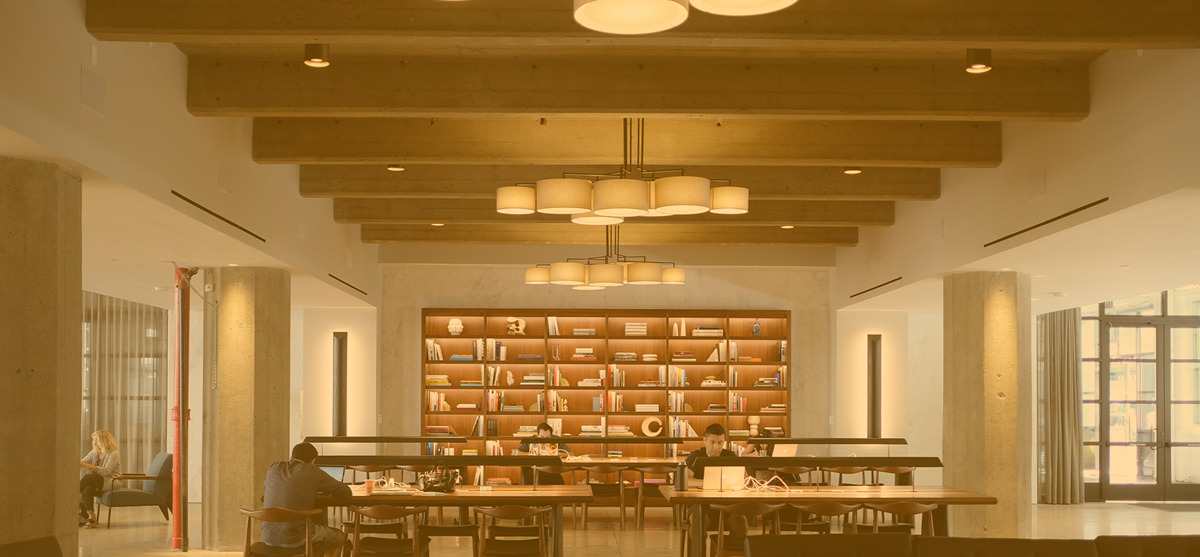
Coworking areas are typically seen as an open-plan expanse filled with people on laptops and a buzz of activity. The reality is that most members can’t work productively in this type of environment all day. A 2018 survey found that noise levels, a lack of quiet areas, a lack of privacy, and uncomfortable temperature settings poorly impacted concentration for workers in open-plan spaces.
This is where zoning comes into play – a foundational design principle breaking up workspace into different areas for various activities. Instead of building walls, zoning is achieved through furniture placement, lighting, acoustics, materials, and coworking layouts to create micro-environments. It might look like:
- A breakout space for collaboration
- A kitchen area for connecting and eating
- Focus zones for work without distraction
From an aesthetic and acoustic perspective, Hauser says zoning remains important for influencing how people interact with a space.
Behavioural design
Zoning organises space, but it also goes much deeper than this, and can subtly cue how people behave in that zone. The essence of behavioural design involves using spatial cues to subtly guide how people move, focus, collaborate, or relax.
For instance, placing comfortable lounge seating in the middle of a workspace can signal more relaxed behaviour. People use breakout zones for informal meetings, to connect with other coworkers, and to have lunch away from the desk. At 25N Coworking, for instance, a coffee machine is placed outside the kitchen area to encourage community members to connect.
According to Allwork.Space, 70% of members prefer collaboration-friendly spaces over traditional private offices. Coworking spaces with a strong community, hospitality-led service, and thoughtful design consistently perform well.
Sensory design
Traditional corporate offices were designed for uniformity and efficiency, but they also seemed quite stressful from a design perspective. This makes a strong argument for workspaces to implement sensory design principles to create environments that stimulate creativity, support focus, and enhance well-being.
Think natural light flooding a workspace, textures that invite touch, soft materials to absorb sound and improve acoustics, and colour palettes that energise or calm. With around 15% of the UK population being neurodivergent, sensory design isn’t just creating a more relaxing work environment; it can also be vital for some workers to thrive in the workplace.
Introducing biophilic design elements, such as plants and moss walls, is part of a sensory design philosophy that benefits wellbeing by increasing access to the outdoors and increasing a sense of happiness.
User flow
Modern office design has improved access to spaces for collaboration, informal chats, and confidential conversations, boosting workers’ ability to engage face-to-face from 70% to 80%. Providing the right variety and quantity of spaces ensures employees can choose the best environments for their tasks, enhancing performance.
Hospitality logic
Coworking spaces have firmly crossed over into the hospitality world, with coworking spaces offering much more than just desks and WiFi. Like a hotel, encouraging people to linger and connect is the goal, while delivering excellent customer service that improves ratings and reputation.
In Will Guidara’s celebrated book Unreasonable Hospitality, the reception desk is seen as a barrier to connection, described as “transactional” and devoid of warmth. Guidara wanted to create the experience of being welcomed at a friend’s house: the door flung open, and comfort built into every interaction.
Coworking can borrow from this logic, removing reception desks and formal entranceways for more relaxed arrival experiences.

Guy Baker
CEO, Mantle Space


Value-add amenities that improve the coworking experience
The coworking industry is full of debates over the latest “must-have” shared office amenities. Podcast studios, rooftop gardens, and even saunas have been tried and tested, with operators throwing money at the latest gimmicks, only to find months later that these niche amenities are underutilised and generate no revenue.
The key is to focus on what members actually value. These shared office amenities make a real difference.
Soundproof meeting rooms
In addition to the continuously growing demand for meeting rooms (which make up the third largest revenue source on average in coworking spaces), having a soundproof private space is absolutely essential as noise levels and distractions remain a challenge in many workspaces. Soundproof meeting rooms support concentration and productivity.
Plenty of phone booths and pods
Similarly, phone booths and pods can break up an open-plan space and create spaces of calm or offer soundproof booths to members looking for spaces to have private conversations.
Daylight streaming in
A study conducted by Louise Suckley and Alexandra Bernhardt found that natural light is the highest-rated factor contributing to a ‘good vibe’ in coworking. Daylight access is what coworkers look for most in a workspace.
Coffee as ceremony (not commodity)
Treat coffee as a deliberate experience rather than a simple perk. Quality beans, barista service, or thoughtfully designed coffee zones create moments of connection and refreshment to elevate everyday member experience. If your budget allows, include unlimited coffee within memberships – your members will love that.
Showers and lockers
Only around 7% of the UK population cycle to work, but many more would consider active commuting if workplaces supported it. Providing showers allows cyclists and runners to freshen up, while lockers give secure space for belongings and a sense of ownership over the workspace. These facilities are particularly important in hot-desking environments, where members don’t have permanent desks and need practical solutions to store their belongings.
Wellness rooms
Coming in many shapes and sizes, a wellness room could look like a space to escape to when things get overwhelming, a breastfeeding room, or a small studio for Yoga or meditation practices. Prioritising wellness encourages workers to maintain a good work-life balance.
Collecting data on space utilisation will help you determine whether your amenity is contributing to your coworking experience or seems more like a gimmick. As worker needs continue to shift, having adaptable amenities will help your space evolve with their demands.


Technology and automation that support the coworking member experience
Awesome digital experiences in coworking are barely noticed. They don’t interrupt users; they’re designed to remove noise, waiting, or asking for help. And the irony of good digital experience is that, when it works, it disappears.
Touchless access
This is a great example. Whether it’s mobile access, smart locks, or other proximity-based systems, the benefit leads back to user flow. Members arrive, doors open, and no one queues, fumbles for keys, or has to find staff, making user arrival feel calm, predictable and less effort.
Clear booking flows
Matter for the same reason. When meeting rooms, desks, and amenities can be booked quickly, reliably or repeatedly, members stop second-guessing availability or avoiding last-minute use. Automation reduces double bookings, locked rooms, and awkward handovers, while quietly increasing use of paid resources by reinforcing ease of use and control.
Member apps
Downloading another app isn’t anyone’s favourite task. That’s why the best member apps earn their place. These do a small number of useful things well: buying snacks or event tickets, opening doors or lockers, booking desks, or helping members connect when it’s relevant. Before adding an app, it’s worth asking whether it genuinely reduces friction in daily use or simply adds another layer to manage.
Displays and signage
When information is visible, members can self-serve. Real-time displays showing room availability, desk status, or what’s happening next help people orient themselves without asking or waiting. Good signage answers questions before they’re spoken, keeping movement through the space smooth and staff interactions intentional rather than reactive.
Automated workflows
The smoothest service is the one members never have to request. Automated workflows handle access changes, bookings, confirmations, and billing quietly in the background. When systems are joined up, service feels effortless: not because less care is given, but because fewer problems reach a human in the first place.
Good digital experience sets a baseline: no confusion, no waiting, no workarounds. When that baseline is consistent, experience stops being anecdotal and starts being something you can actually measure.
How to measure the coworking experience
While the coworking experience might seem abstract, there are concrete ways to measure and improve it. Collecting data on key touchpoints ensures your space is genuinely meeting member needs and delivering a positive experience. Consider tracking the following:
Net Promoter Score
In the hospitality industry, Net Promoter Score (NPS) is often used to measure customer satisfaction, and it’s been picked up by the flexible workspace industry to measure customer loyalty. Deliver a survey to customers asking for their recommendations on your services. To make this more intuitive, consider slotting these questions into moments that make sense, like as part of the meeting room booking journey or when someone has opened a door with their phone. A high NPS indicates that you’re delivering a good experience.
Retention rate
Two metrics matter in coworking operations: retention and churn. A high churn rate indicates that you’re not delivering a good coworking experience. Keeping churn at around 5% is ideal to ensure you’re not losing too much profit and can increase prices in line with inflation. Your retention rate complements this, showing how well your space keeps members engaged and satisfied over the long term.
Space utilisation
From desks and meeting rooms to breakout areas and wellness zones, in a well-managed coworking space, every square foot serves a purpose. Knight Frank’s (Y)OUR SPACE 2025 survey shows that many organisations are still unsure how much office space they need and what those spaces are really for in a hybrid world. Optimising utilisation not only improves member experience but also drives revenue by ensuring high occupancy and efficient allocation of resources.
Support ticket volume
You’ve hopefully chosen a tech partner who supports your everyday operational needs, but if your team are raising lots of support tickets, it could indicate friction within your user experience. This will probably take your team away from important community-focused activities, too. Your support ticket volume ought to be as low as possible, as your technology should seem almost invisible in your space to members.
Space sentiment surveys
Understanding how members feel about your space is just as important as knowing how they use it. Space sentiment surveys capture feedback on everything from desk comfort and acoustics to community vibe and amenities. Keep surveys short and easy to complete, or encourage your community managers to ask in person to encourage honest responses, contributing to stronger relationships with members.
Behavioural observation
Your community managers know your members better than anyone else – they’re on the ground, after all. Encourage them to keep a keen eye on your members’ behaviours to help measure the overall coworking experience. Think about when members come into the workspace and where they like to sit, how long they stay in a certain workstation for, and what amenities they use throughout the day.
Gathering all these metrics can help you make better business decisions, especially when you’ve collected them using your technology software, which vastly improves the accuracy of the results.

Real-world examples of a great coworking experience
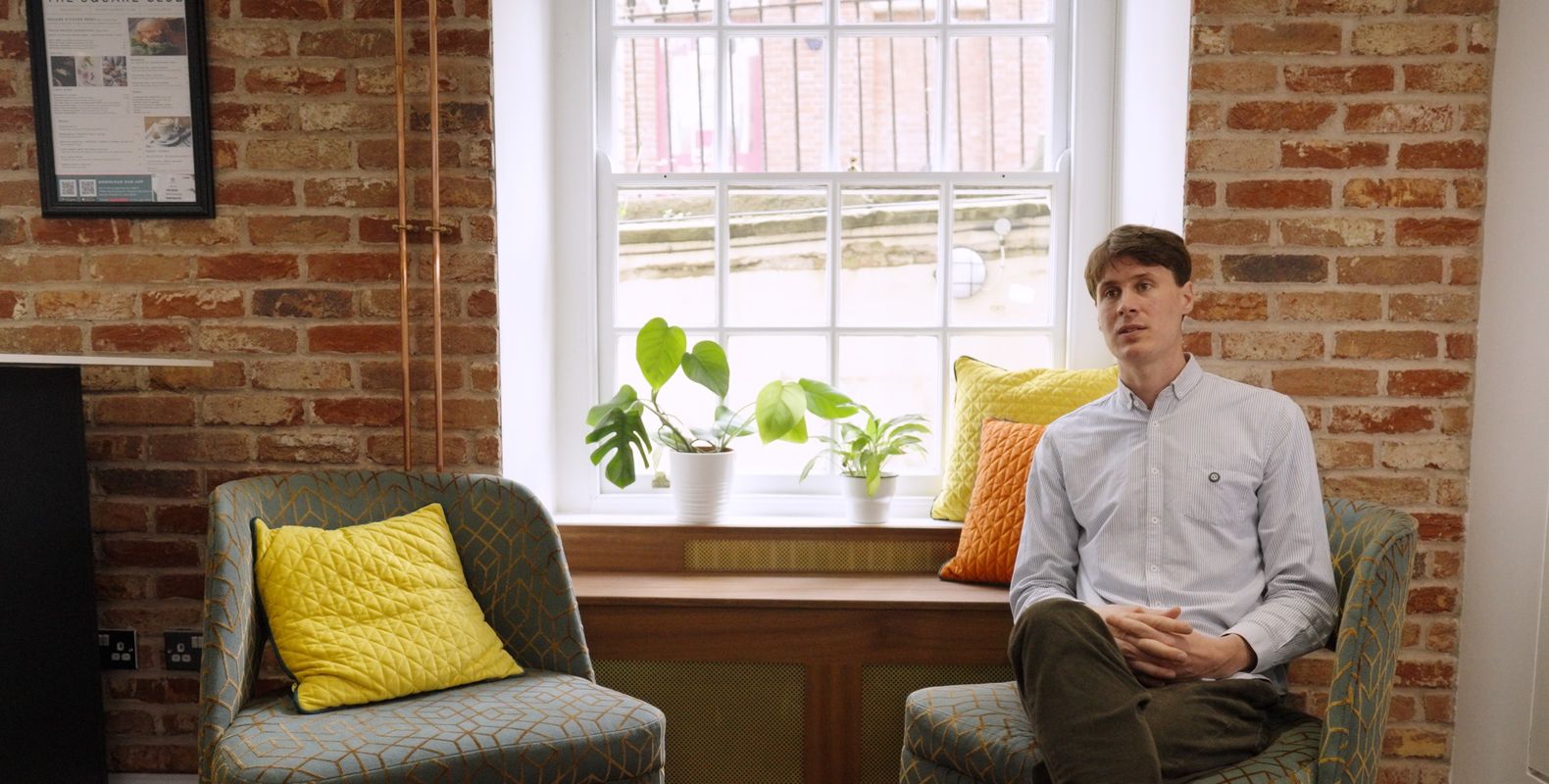
At Square Works in Bristol, customer experience is reflected in the way hospitality is delivered. With support from Nexudus, Square Works has added 5 new touch points per customer every week, such as useful articles and newsletters, and made the onboarding experience smoother. Consequently, the team have saved 18 hours a week on manual operations, freeing up their time to focus more on customer experience, and successfully register an average of 30 visitors, guests and contacts every week.

Kevin Vowles
Head of Community, Square Works
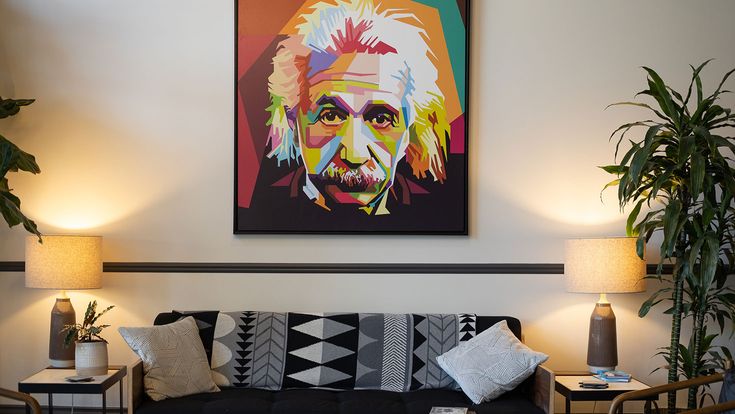
As a coworking concept for tech founders, Cahoots in Michigan was looking for a workspace management platform that would simplify their digital touchpoints and improve the coworking experience. One benefit of Nexudus was that meeting room bookings could be made through a web browser, as opposed to a phone, which better suited their community and the way they used their devices. It also provided a seamless user experience.

Alison Todak
Managing Director, Cahoots
Turning your coworking experience into a competitive advantage
Designing the coworking experience might seem like a nice-to-have, but with the competition rising in the coworking industry, it’s time to really get deep with how your community engage with your space.
From the moment someone begins reaching out to their daily interactions with desks, amenities, and technology, every touchpoint shapes how members feel, move, and connect. Spaces that are intentionally designed for experience see higher retention, greater utilisation, increased referrals, and maximised revenue.
Start by auditing your space: walk the member journey, observe behaviours, and question every touchpoint. Identify what truly adds value, and adapt where it doesn’t. Creating a seamless, engaging ecosystem that keeps your members coming back, telling their friends, and helping your business thrive is your differentiator. So, let’s make every coworking experience count.

Want to know more about
how Nexudus could help your business?
We’re here to answer any questions you have.
Latest articles
-

- Community
- Coworking
Coworking Onboarding Email Templates and Sequences
Kate Tattersfield on March 10, 2026 -

- Coworking
Stop Selling Desks. Consistency Is Coworking’s Real Differentiator
Kate Tattersfield on March 5, 2026 -

- Coworking
- Coworking Resources
The Subtle Strains Undermining Coworking Experience
Lucy McInally on February 27, 2026